

Overview
This article delves into the essential role that knife materials play in enhancing your culinary experience. Readers will gain insights into various knife materials, including the distinguished Damascus Steel, and learn how to choose the right knives based on performance, maintenance, and aesthetics. By understanding these elements, you'll be better equipped to select the perfect tools for your kitchen that align with your cooking style and preferences.
Table of Contents
- The Importance of Knife Materials
- Types of Knife Materials
- High-Carbon Steel
- Stainless Steel
- Damascus Steel
- Choosing the Right Knife Materials for You
- Understanding Blade Construction
- Stamped vs. Forged Knives
- Blade Grind Types
- Handle Materials: The Unsung Hero
- Wood
- Plastic
- Metal
- Care and Maintenance of Knives
- The Beauty of Handmade Knives
- Wrapping Up Your Culinary Tool-Box
Key Takeaways
- Knife materials impact performance: The choice of materials affects edge retention, durability, and maintenance requirements.
- High-carbon steel: Offers excellent sharpness and edge retention but requires regular maintenance to prevent rust.
- Stainless steel: Rust-resistant and low-maintenance, though it may not retain an edge as well as high-carbon steel.
- Damascus Steel: Combines beauty and performance, featuring unique patterns and strong resilience, but can be more expensive and requires maintenance.
- Knife construction matters: Forged knives are generally more robust and balanced compared to lighter, stamped knives.
- Handle materials influence comfort: Wooden handles offer grip and aesthetics, while plastic and metal handles provide differing levels of durability and comfort.
- Proper care extends knife life: Hand wash, dry immediately, and sharpen regularly to maintain knife performance.
In the culinary world, the knife is a chef's best friend. Understanding the materials used in knife-making can elevate your cooking experience and help you choose the best tools for your kitchen. This guide will explore various knife materials, with a focus on the renowned Damascus Steel and the craftsmanship behind handmade knives.
The Importance of Knife Materials
Knife materials significantly influence the performance, durability, and aesthetics of your kitchen tools. From high-carbon steel to stainless steel, each material has its advantages and disadvantages. Understanding these factors will allow you to make informed decisions when selecting knives for your culinary tasks.
Types of Knife Materials
Let’s dive into the various types of knife materials available, highlighting their characteristics, benefits, and uses.
High-Carbon Steel
High-carbon steel is a popular choice among professional chefs. This material is known for its excellent edge retention and sharpness. However, it may require more maintenance than other types of steel to prevent rust and corrosion.
-
Pros:
- Excellent sharpness
- Easy to sharpen
- Durable and long-lasting
-
Cons:
- More susceptible to rust
- Requires regular oiling
Stainless Steel
Stainless steel is favored for its resistance to rust and corrosion, making it an excellent choice for amateur cooks and professionals alike. While it may not hold an edge as well as high-carbon steel, advancements in technology have led to the development of high-quality stainless steel knives that perform admirably.
-
Pros:
- Rust-resistant
- Low maintenance
- Durable
-
Cons:
- Edge retention can be inferior
- More difficult to sharpen
Damascus Steel
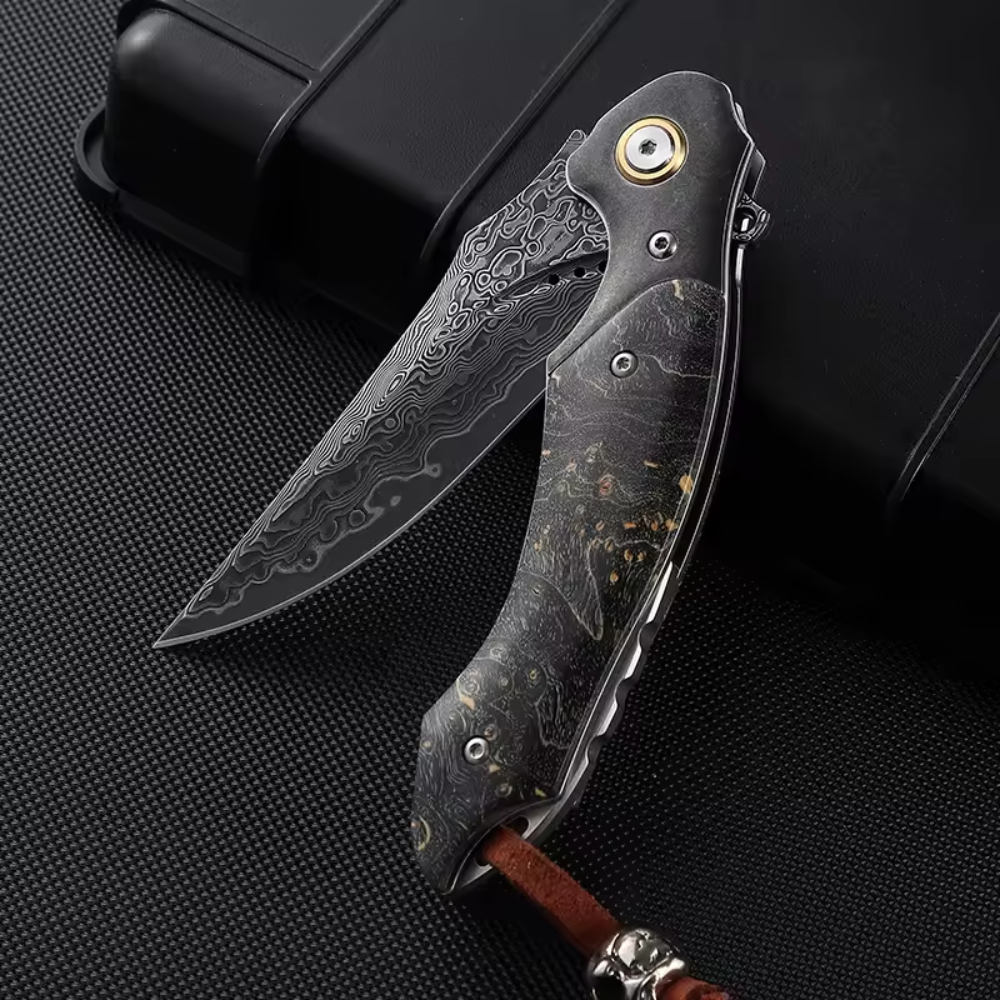
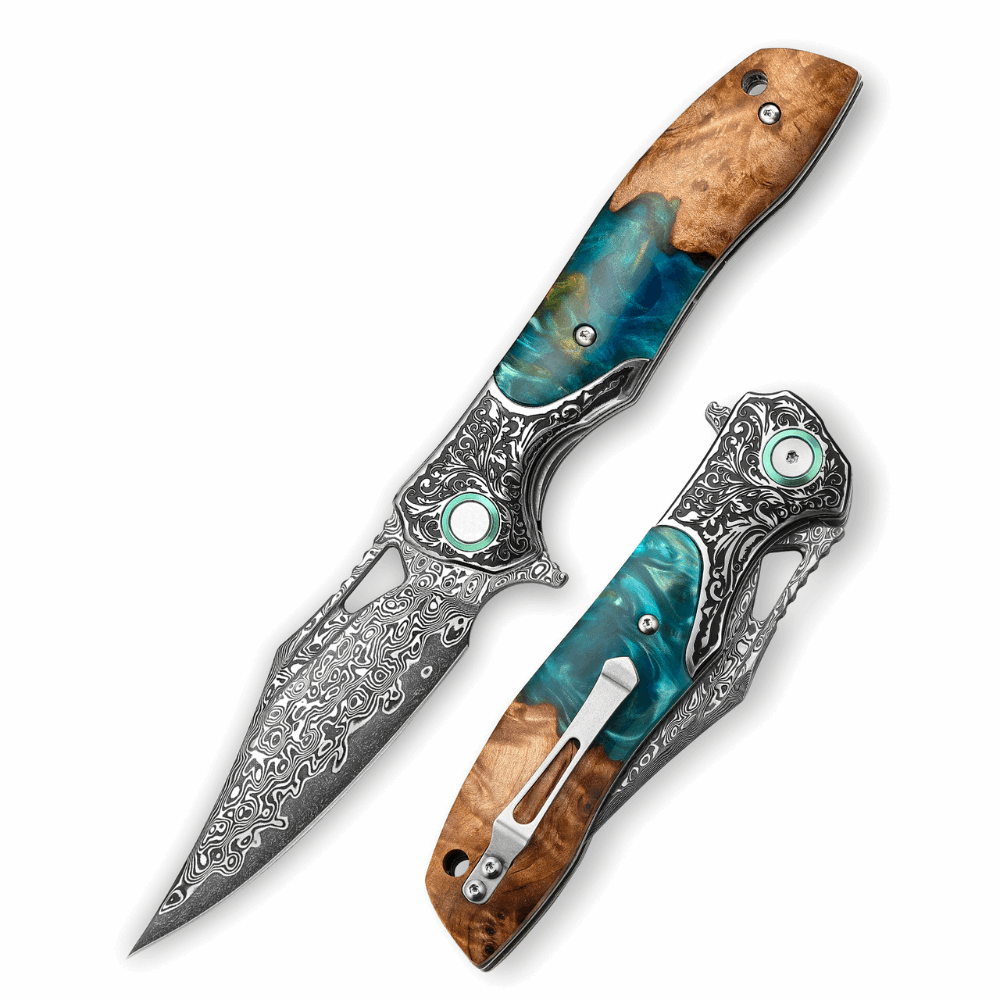
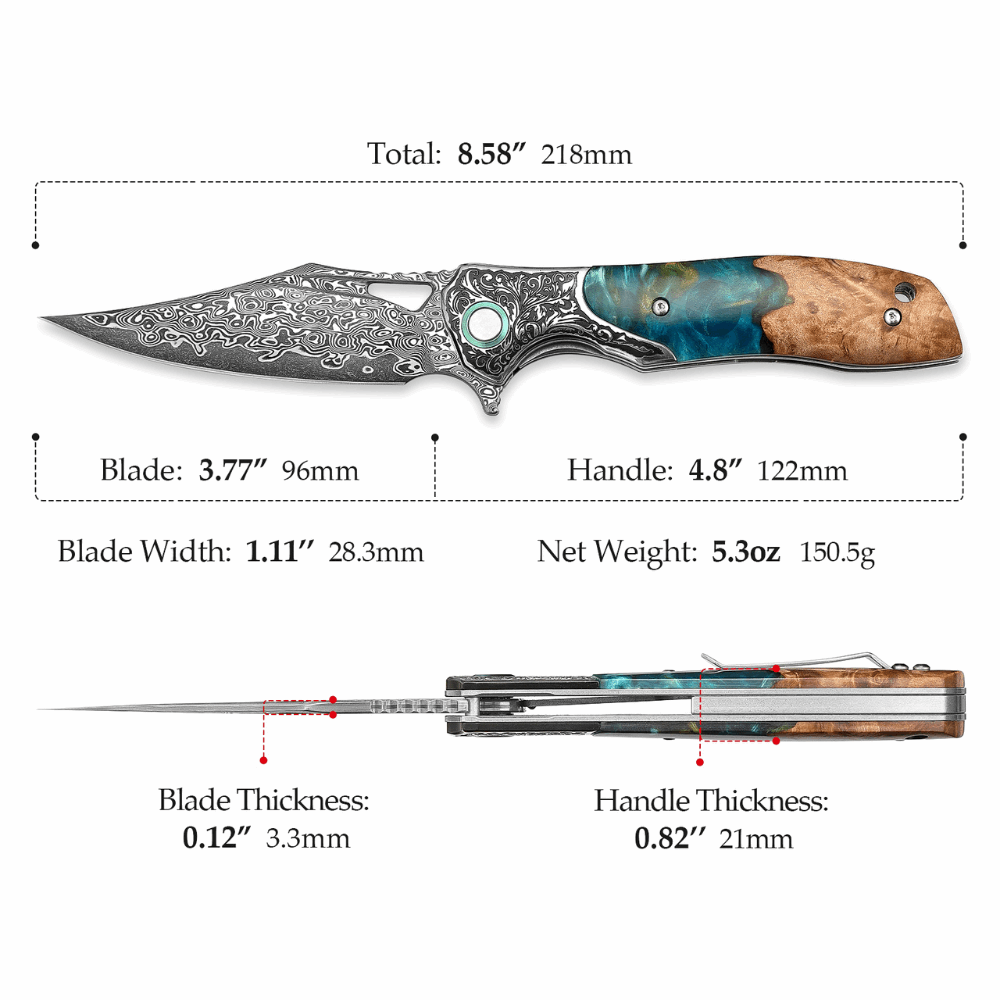
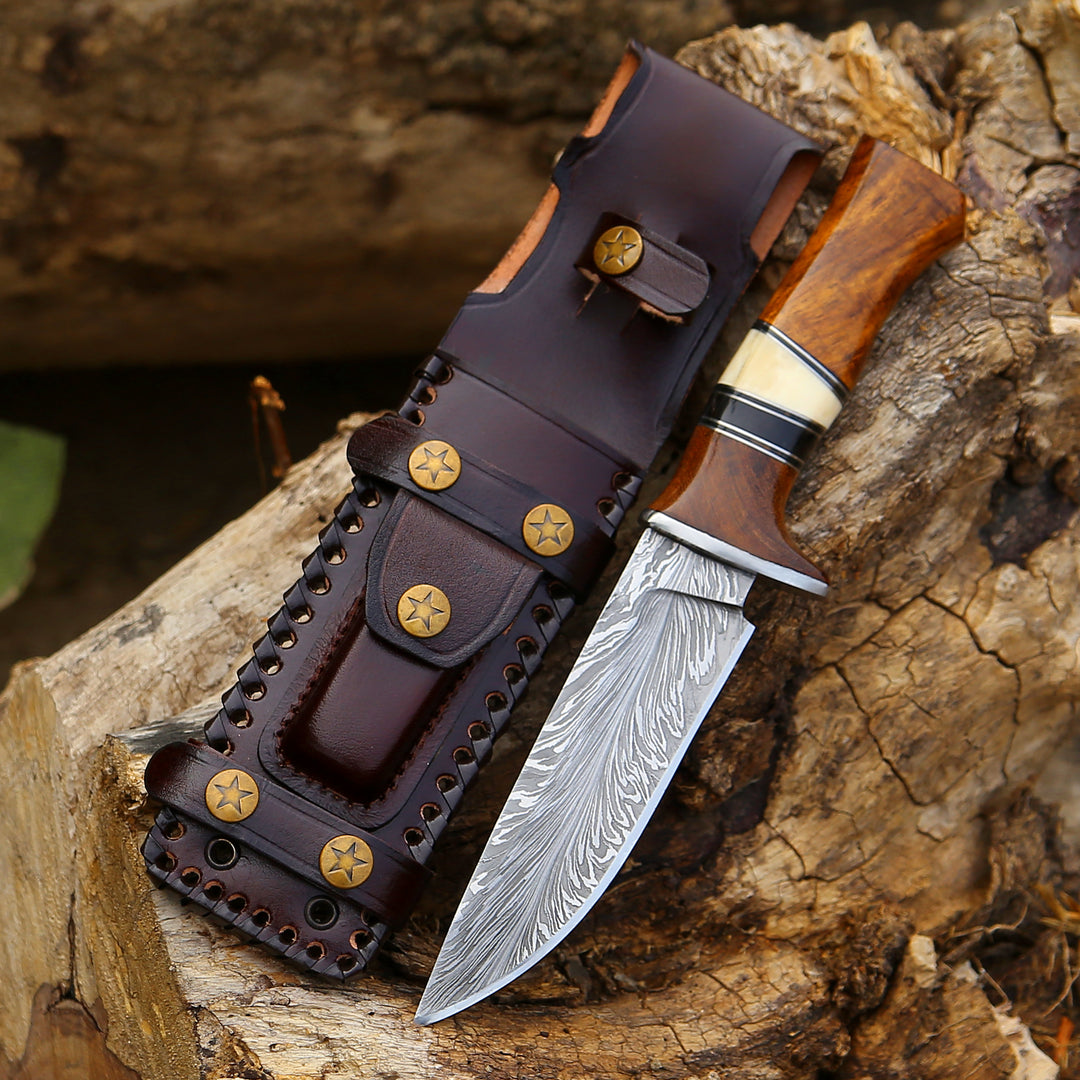
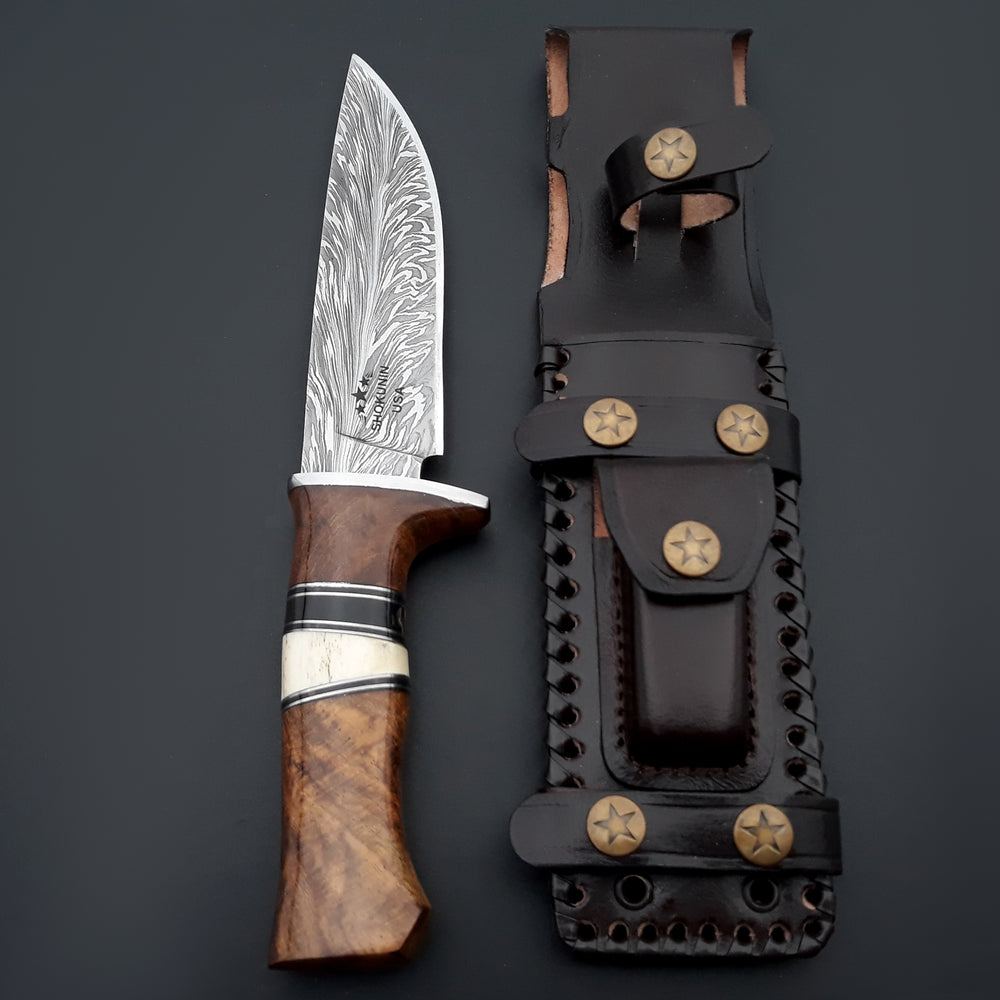
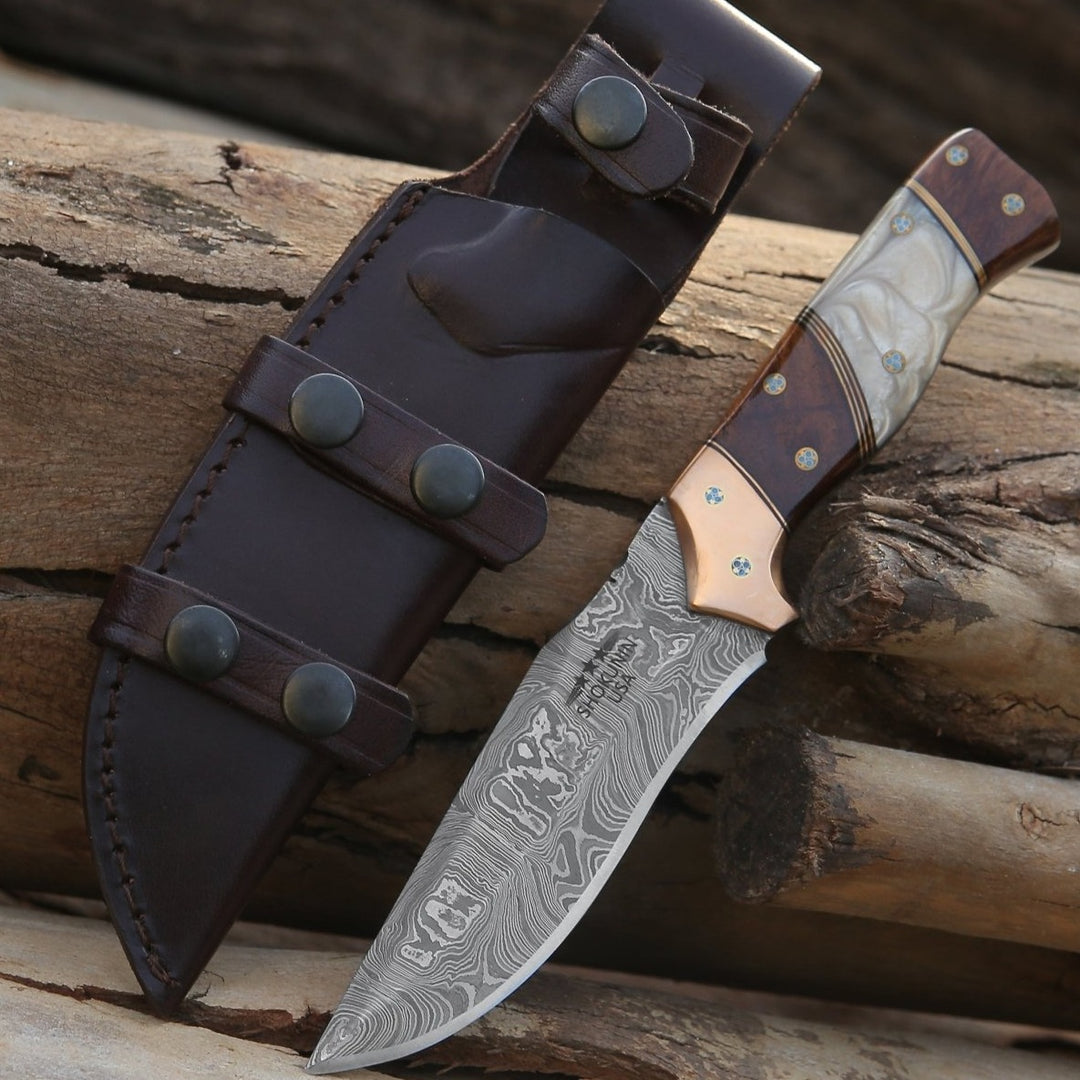
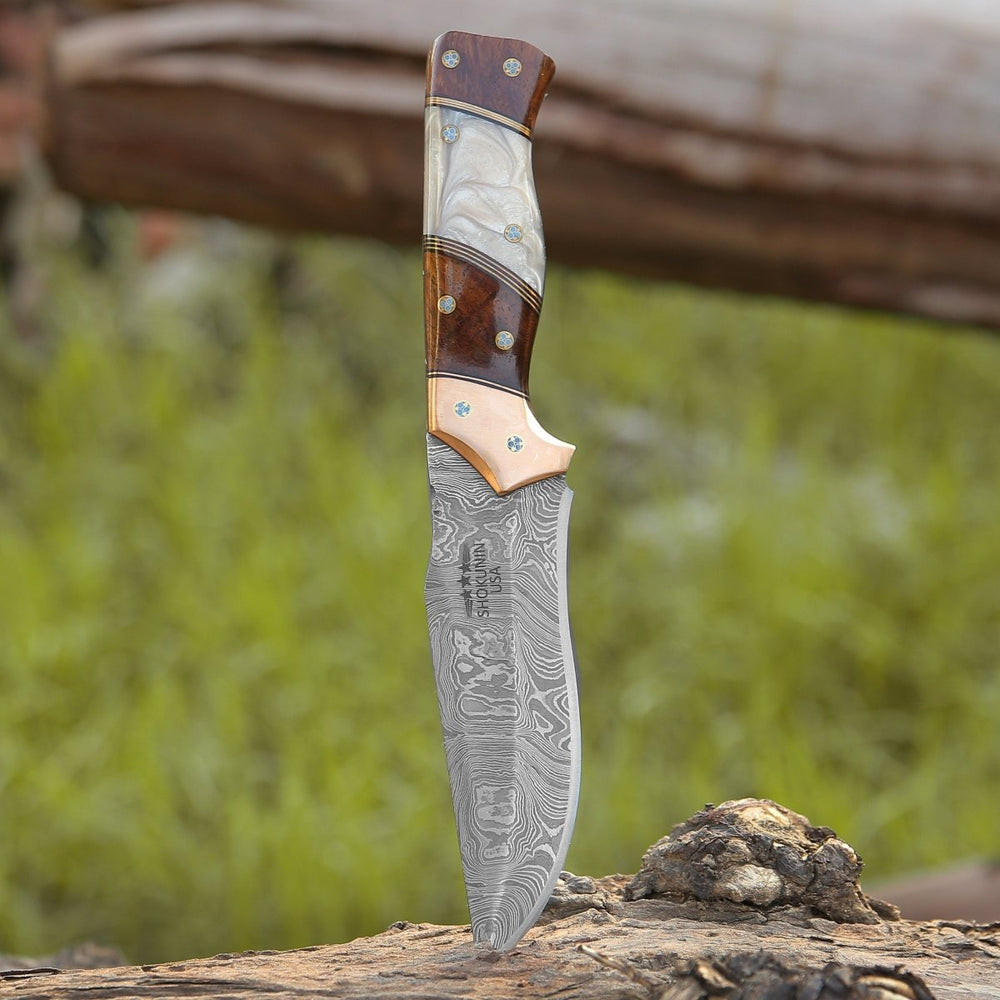
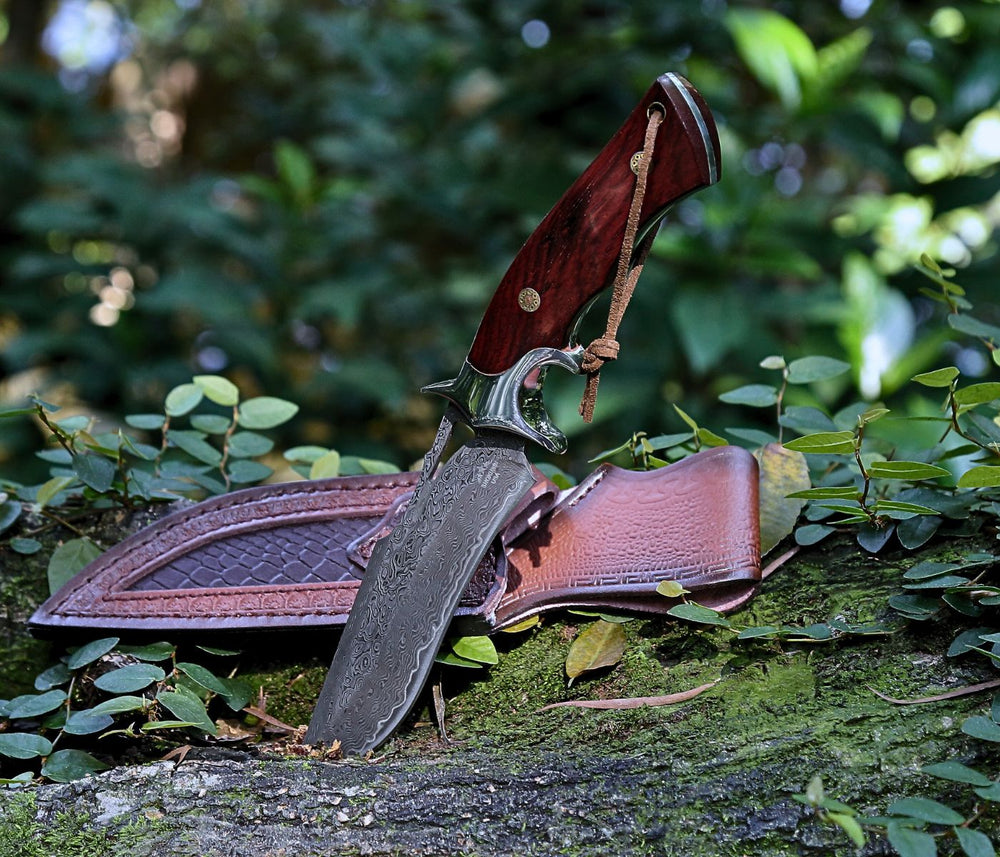
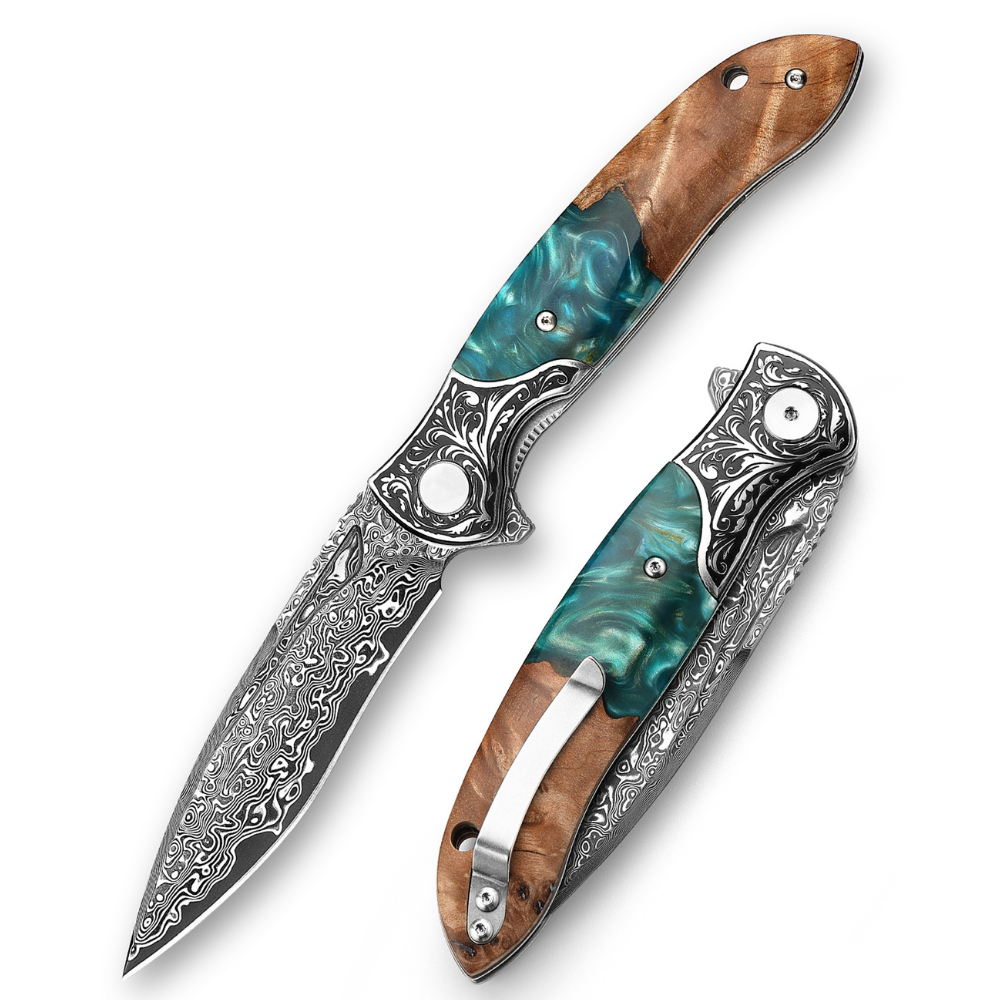
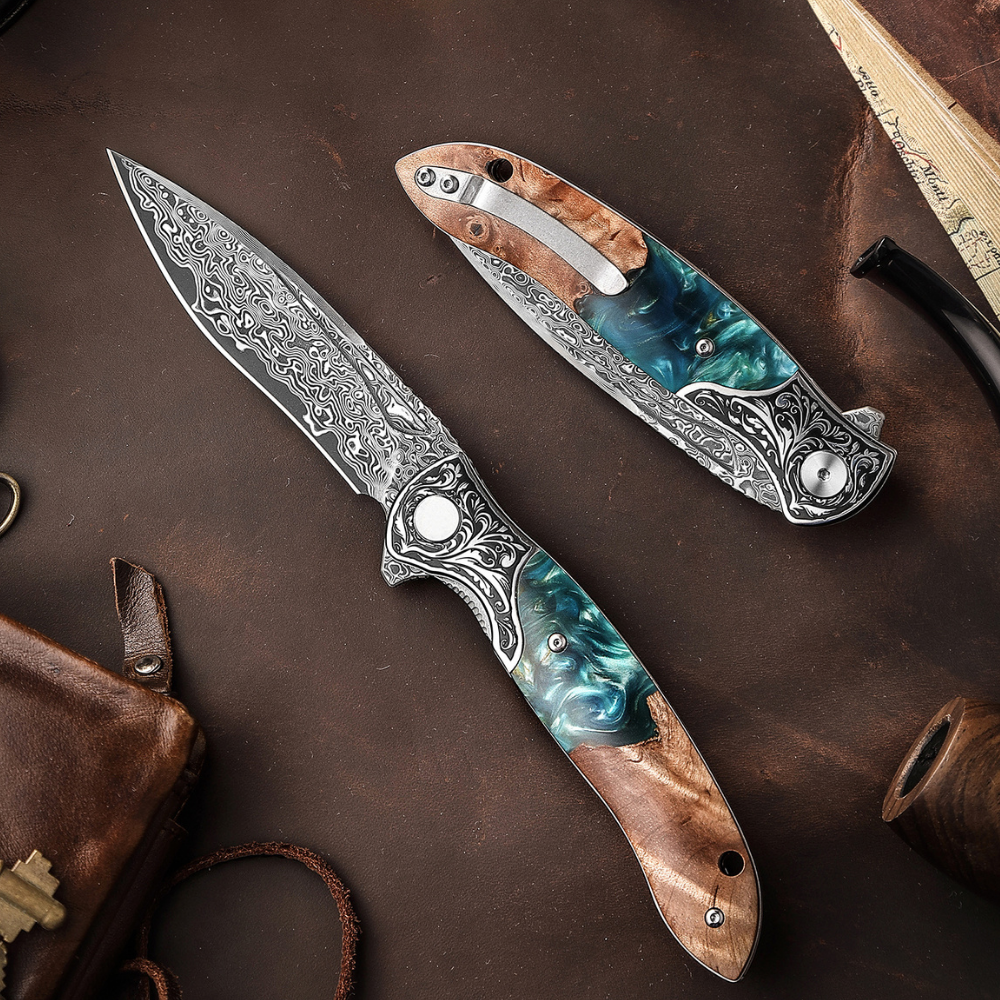
Damascus Steel represents the pinnacle of knife craftsmanship and aesthetics. It is made by layering various steels—often high-carbon and stainless—together, which are then forged, welded, and hammered to create a unique, fingerprint-like pattern. This ancient technique not only enhances beauty but also contributes to the superior performance of the knife.
-
Pros:
- Unique and beautiful patterns
- Excellent edge retention
- Strong and resilient
-
Cons:
- Can be expensive
- May require more maintenance than plain stainless steel
Choosing the Right Knife Materials for You
The best material depends on individual needs, preferences, and cooking styles. If you value maintenance and aesthetics, Damascus Steel knives, such as those from Shokunin, can provide a professional look with exceptional performance.
Understanding Blade Construction
Apart from the materials, knife construction plays a crucial role in performance. Here are some common types of blade construction:
Stamped vs. Forged Knives
Knives are generally categorized into two types based on their construction methods: stamped and forged.
-
Stamped Knives:
These knives are cut from a single piece of steel, allowing for quick production and often lower prices. They are lighter but may not be as durable as forged knives.
-
Forged Knives:
Made by heating and shaping a solid piece of steel, forged knives offer better robustness and balance. They often have a more ergonomic handle and are favored by professionals.
Blade Grind Types
The grind of a knife refers to the angle and shape of its edge, which affects cutting performance.
- Flat Grind: Ideal for slicing and provides a sharp edge.
- Hollow Grind: Reduces the weight of the blade, ideal for precise cuts.
- Saber Grind: Offers a good balance between sharpness and durability.
Handle Materials: The Unsung Hero
It's not just the blade that matters; the knife's handle also affects usability, comfort, and control. Various materials are used for knife handles:
Wood
Wooden handles provide a classic appeal and excellent grip. They are, however, more susceptible to moisture and may require regular upkeep. Exotic woods, like stabilized and stained ebony, offer both durability and eye-catching beauty, mirroring the craftsmanship of handmade knives.
Plastic
Plastic handles are affordable and easy to maintain. They come in various colors and designs but may lack the comfort and sophistication of wood or metal.
Metal
Metal handles can be incredibly durable but may get cold to the touch and can be slippery when wet. They often provide excellent balance, making knife handling easier during prolonged use.
Care and Maintenance of Knives
To maximize the lifespan of your knives, consider the following care tips:
- Wash by Hand: Always hand wash your knives after use. Avoid placing them in the dishwasher to prevent damage.
- Dry Immediately: Water left on the blade can lead to rust, especially in high-carbon and Damascus Steel knives.
- Sharpen Regularly: Invest in a good sharpening tool to keep your knives in top condition.
The Beauty of Handmade Knives
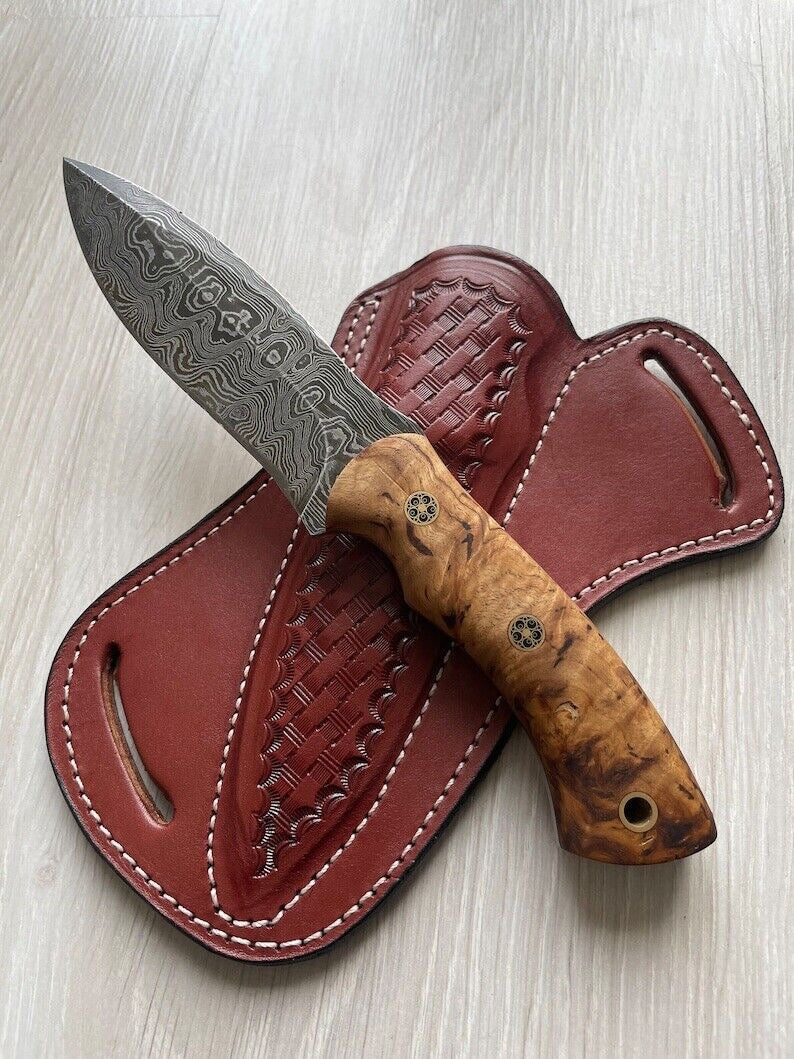
Investing in handmade knives offers more than just functionality; it connects you to a rich tradition of artisanship and craftsmanship. Each handmade knife is a piece of art with unique patterns and finishes. Many artisans use high-quality materials, such as Damascus Steel, to create tools that not only perform well but also become family heirlooms.
Wrapping Up Your Culinary Tool-Box
Understanding knife materials is essential for making informed decisions when selecting the right tools for your kitchen. Whether you are drawn to the beauty of Damascus Steel or the reliability of stainless steel, being knowledgeable about your options will enhance your culinary experience. Choose wisely to create the perfect knife collection for your cooking adventures!
Frequently Asked Questions
1. What are the main types of knife materials discussed in this blog?
2. What is the advantage of high-carbon steel knives?
3. Why is Damascus steel considered special in knife making?
4. What should I do to maintain my knives properly?
5. How does handle material affect knife usability?
Glossary
| Term | Meaning |
|---|---|
| High-Carbon Steel | A steel known for excellent sharpness and edge retention, but prone to rust. |
| Stainless Steel | Rust-resistant steel favored for low maintenance and durability. |
| Damascus Steel | A layered steel known for unique patterns and superior performance. |
| Stamped Knives | Knives cut from a single piece of steel, lighter but less durable. |
| Forged Knives | Knives made from heated steel, offering better robustness and balance. |
| Blade Grind | The angle and shape of a knife's edge affecting cutting performance. |
| Handle Materials | Materials used for knife handles, affecting comfort and control. |
| Care Tips | Recommendations for maintaining knives, like hand washing and drying. |
| Handmade Knives | Knives crafted by artisans, often unique and high-quality. |
Linked Product

Supreme Pro Japanese Knife Set - 5-Piece, VG10 Damascus with Ebony Burl Wood Handle & Sheath
The Supreme Pro Japanese Knife Set includes five expertly crafted VG10 Damascus steel blades, known for their strength, corrosion resistance, and exceptional edge retention. Each knife features an ergonomic handle made from stabilized and stained Ebony burl wood, ensuring comfort and control during use. This versatile set is ideal for a variety of kitchen tasks, making it a practical choice for both cooking enthusiasts and collectors.
View Product







Lascia un commento