


Overview
Pocket knives are more than just tools; they embody rich cultural significance across the globe. This blog explores their historical journey, varying meanings in European, Asian, and Indigenous cultures, and their modern-day relevance as symbols of identity and craftsmanship. Gifting pocket knives signifies trust and friendship, while the artistry of knife-making preserves cultural stories. Ultimately, understanding these tools allows us to appreciate their deeper connections to heritage and community.
Frequently Asked Questions
1. What is the cultural significance of pocket knives?
2. How have pocket knives evolved over time?
3. What role do pocket knives play in European traditions?
4. How are pocket knives viewed in Asian cultures?
5. What is the importance of craftsmanship in pocket knife making?
When we think of pocket knives, we often envision a multi-functional tool tucked away in our pockets, ready to assist us in everyday tasks. However, these compact instruments are much more than mere tools; they carry deep-rooted cultural significance across various societies around the globe. Join us as we delve into the fascinating traditions and meanings associated with pocket knives in different cultures, exploring how they have shaped the way people perceive and use these essential tools.
The Historical Journey of Pocket Knives
The history of pocket knives dates back thousands of years. The earliest known examples were made from flint and bones, used by ancient civilizations for hunting and survival. As society progressed, the materials and craftsmanship evolved, leading to the brass and carbon steel compositions we're familiar with today. Each civilization put its unique stamp on pocket knives, influencing not only design but also the symbolism behind these tools.
The Pocket Knife in European Traditions
In Europe, pocket knives have influenced popular culture and lore significantly. Some of the earliest documented occurrences are in Switzerland, where the iconic Swiss Army Knife emerged as a multifunctional tool sought after by soldiers and civilians alike. The design allows the carrying of various tools, from blades to screwdrivers, symbolizing versatility and preparedness.
Moreover, in countries like France, the Opinel knife is cherished for its simple yet effective functionality. It represents a strong heritage rooted in craftsmanship, reflecting the artisan culture still alive in local workshops today. Many French families pass down Opinels from generation to generation, embedding them with value far beyond their functional use.
The Significance of Pocket Knives in Asian Cultures
Moving eastward from Europe, the significance of pocket knives takes on unique forms in Asian cultures. In Japan, for instance, the art of knife making has been refined over centuries. The traditional folding purse knife, known as “hōchō,” is not just a tool for chefs but a representation of precision and dedication in the culinary arts. Japanese artisans pride themselves on their ability to craft high-quality knives, attributing spiritual importance to the act of creating and using them.
Moreover, in Chinese culture, pocket knives play a vital role in traditional practices and customs. The folding knife, or "Huaijiao," is often given as a gift, signifying protection and cutting away misfortune. The Chinese believe that gifting a knife, much like any sharp object, symbolizes the desire to sever ties with negativity and embrace good fortune instead.
Indigenous Pocket Knives: The American Connection
In the Indigenous cultures of North America, pocket knives hold a different cultural value. They symbolize survival and self-reliance, essential traits in the context of Indigenous peoples’ historical reverence for the land and its resources. Each knife can tell a story through its usage, from practical applications to ceremonies marking rites of passage.
Whether used to prepare food, create artwork, or engaging in traditional hunting practices, pocket knives have been indispensable tools throughout history. Their versatility embodies the spirit of adaptability—an essential trait that Indigenous cultures have embraced in preserving their way of life.
Modern-Day Pocket Knives and Cultural Identity
As we step into the modern era, pocket knives still play a vital cultural role, although their significance now extends into the realms of fashion and consumer goods. In the United States, for example, pocket knives are often viewed as symbols of rugged individualism and outdoor ruggedness. They are a staple among campers, hikers, and outdoor enthusiasts, boasting popularity for both practical and collector's purposes.
Moreover, unique designs often embody regional identity or personal expression. Many outdoor brands, when designing their pocket knives, take inspiration from the landscape, history, and people of the locations they are associated with. This trend emphasizes not just a blade’s function but also its story and connection to a particular culture or community.
Pocket Knives as Gifts and Their Emotional Appeal
Gift-giving traditions surrounding pocket knives often highlight their emotional weight. In many cultures, giving a pocket knife is seen as a gesture of friendship, trust, and goodwill. Many people associate receiving a pocket knife with cherished memories, be it a father passing down his first blade to his son or friends exchanging them during adventures.
For instance, in Scandinavia, gifting a knife is rooted in respect and symbolizes the bond formed between friends or family. Many Scandinavian families involve the young ones in knife-making projects to pass down skills and stories, turning the pocket knife into a cherished heirloom that signifies both familial love and heritage.
The Future of Pocket Knives: Preserving Culture in Design
As we forge ahead, the pocket knife continues to evolve, both in terms of functionality and cultural significance. The ongoing trend of using sustainable materials and eco-friendly practices has also entered the realm of knife-making, influencing styles and the way communities regard these tools. Brands increasingly strive to blend traditional artistry with modern innovation while maintaining a strong connection to cultural heritage.
Today's consumers are also more informed and intentional about the products they select. They seek not only quality and functionality but also products that tell a story and reflect values. Manufacturers have picked up on this trend, often sharing narratives behind their designs and showcasing the artisans who create them. Such transparency ensures the cultural importance of pocket knives remains front and center as they fit into modern lifestyles.
Inclusive Perspectives: Different Cultural Connections
Recognizing the diverse cultural connections to pocket knives ensures that we are more mindful of their significance. Every knife carries influence from its maker, history, and cultural identity. By promoting awareness of these stories, we can appreciate pocket knives not merely as tools but as artifacts charged with meaning and purpose.
Modern communities are increasingly engaging in conversations surrounding inclusive design, ensuring that diverse traditions are acknowledged and honored in the evolving landscape of pocket knives. This inclusivity fosters greater understanding and respect for the cultural backgrounds that these tools represent.
Craftsmanship and the Art of Knife Making
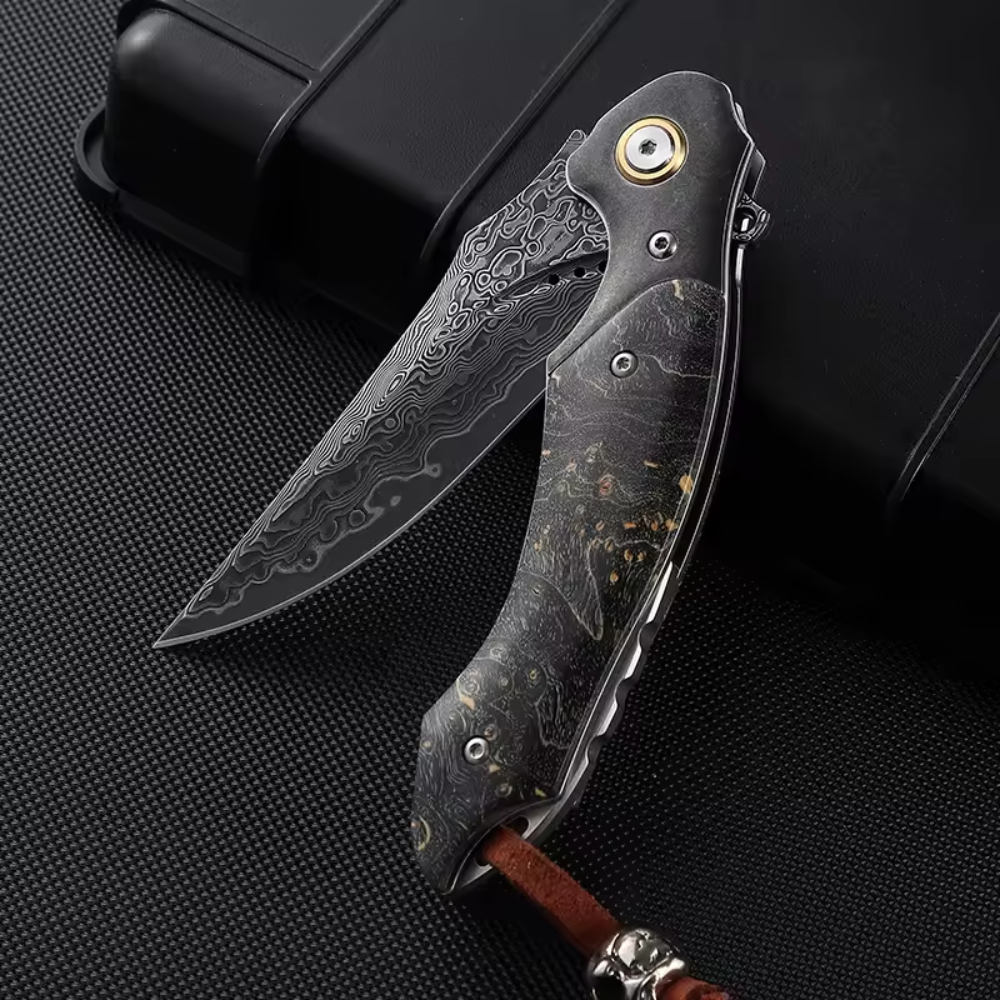
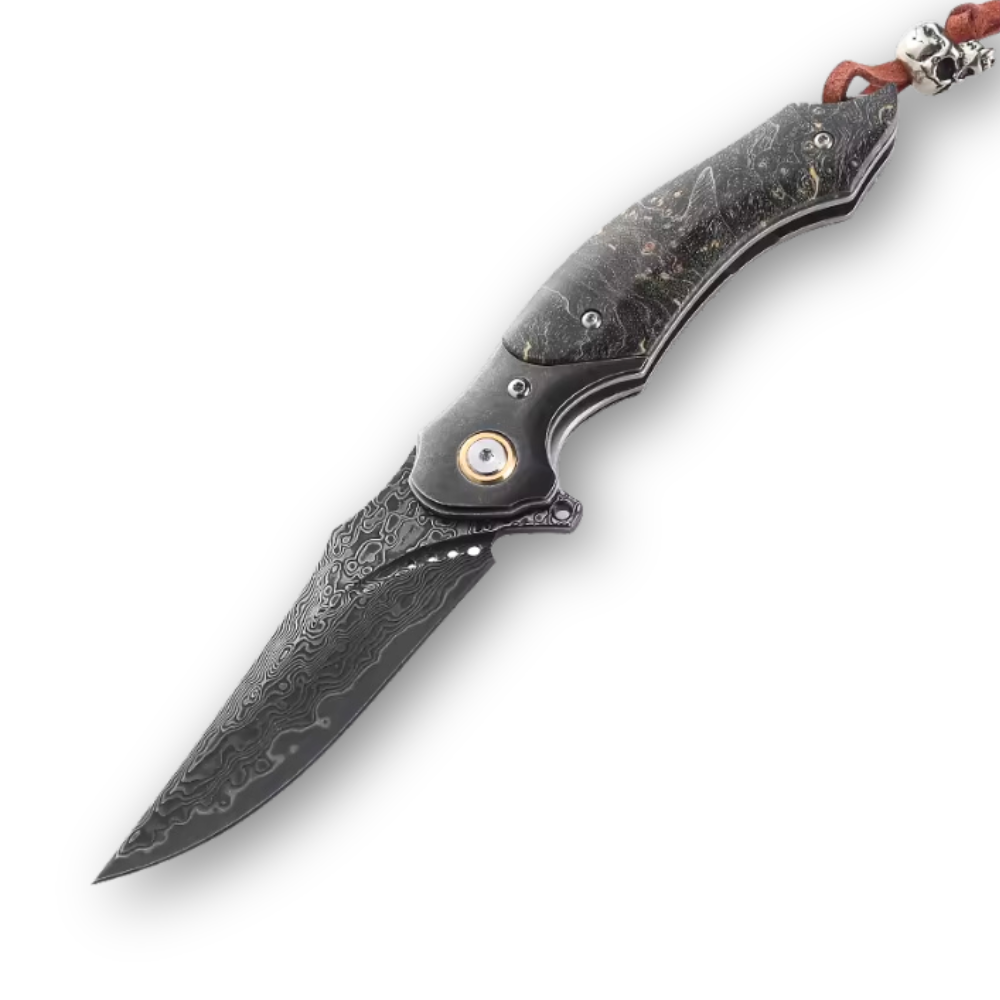
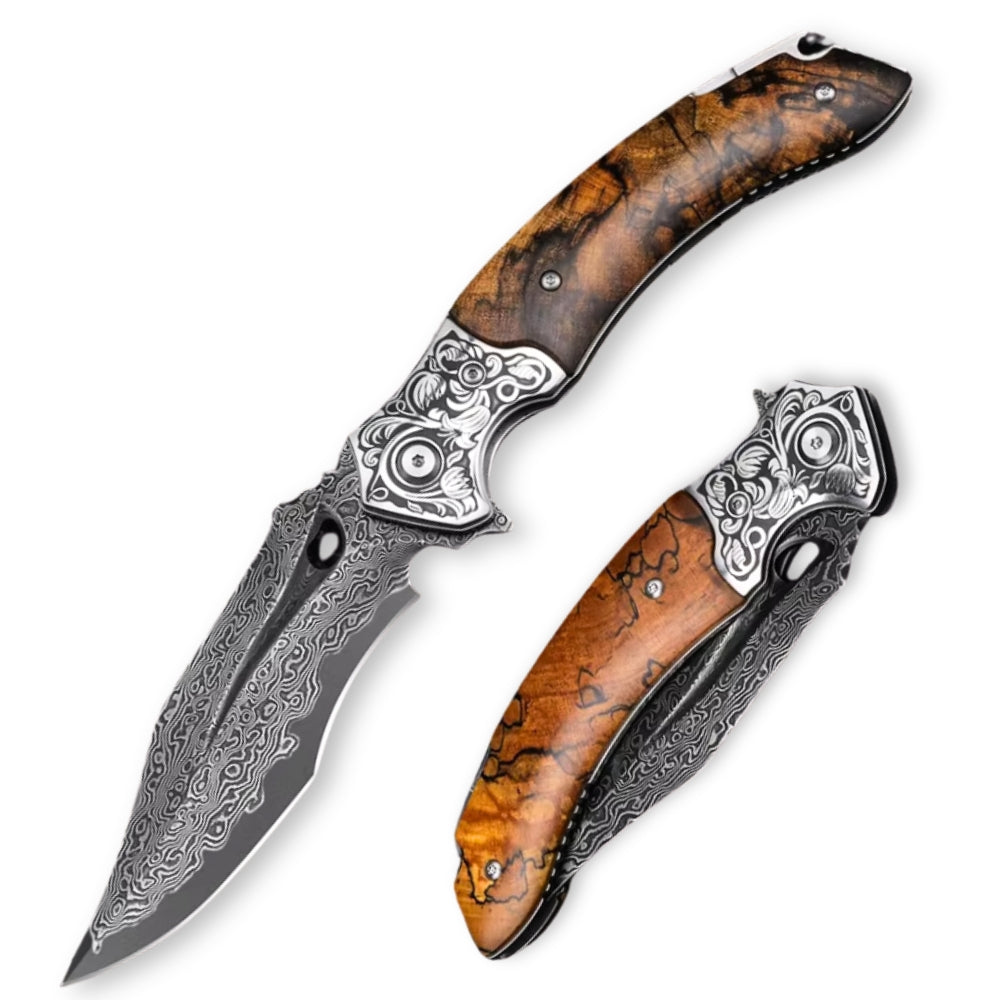
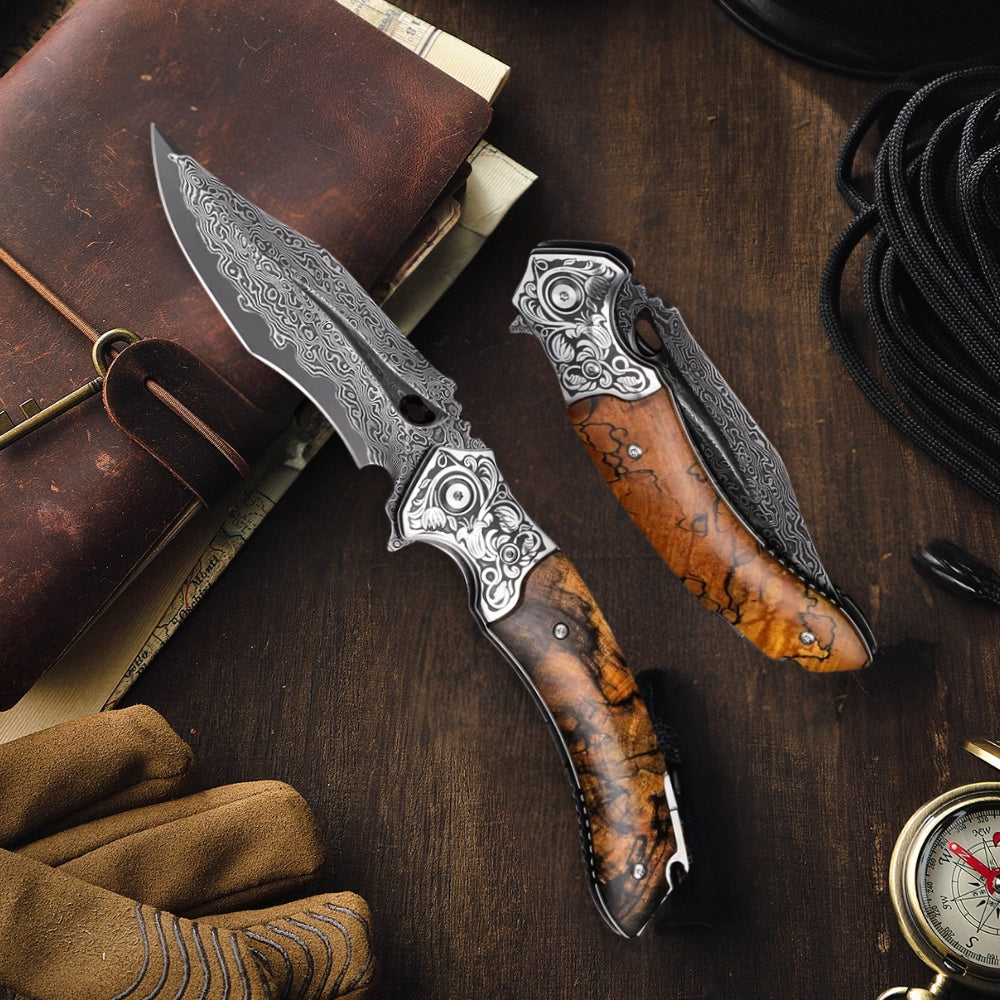
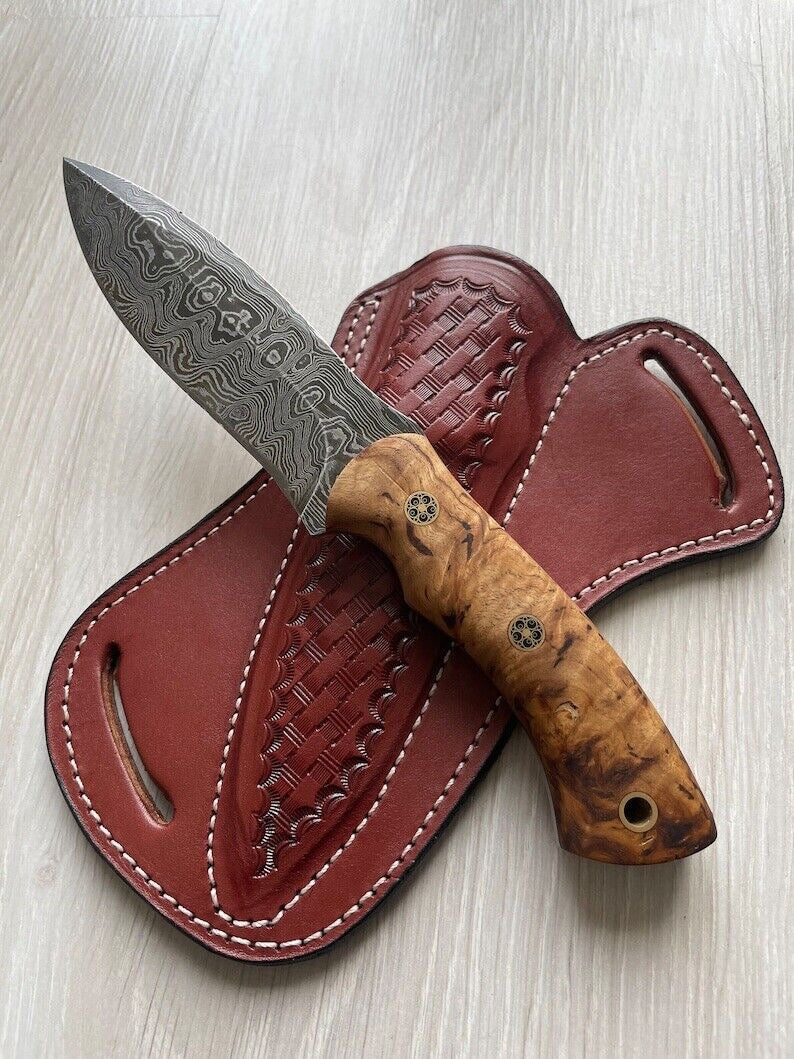
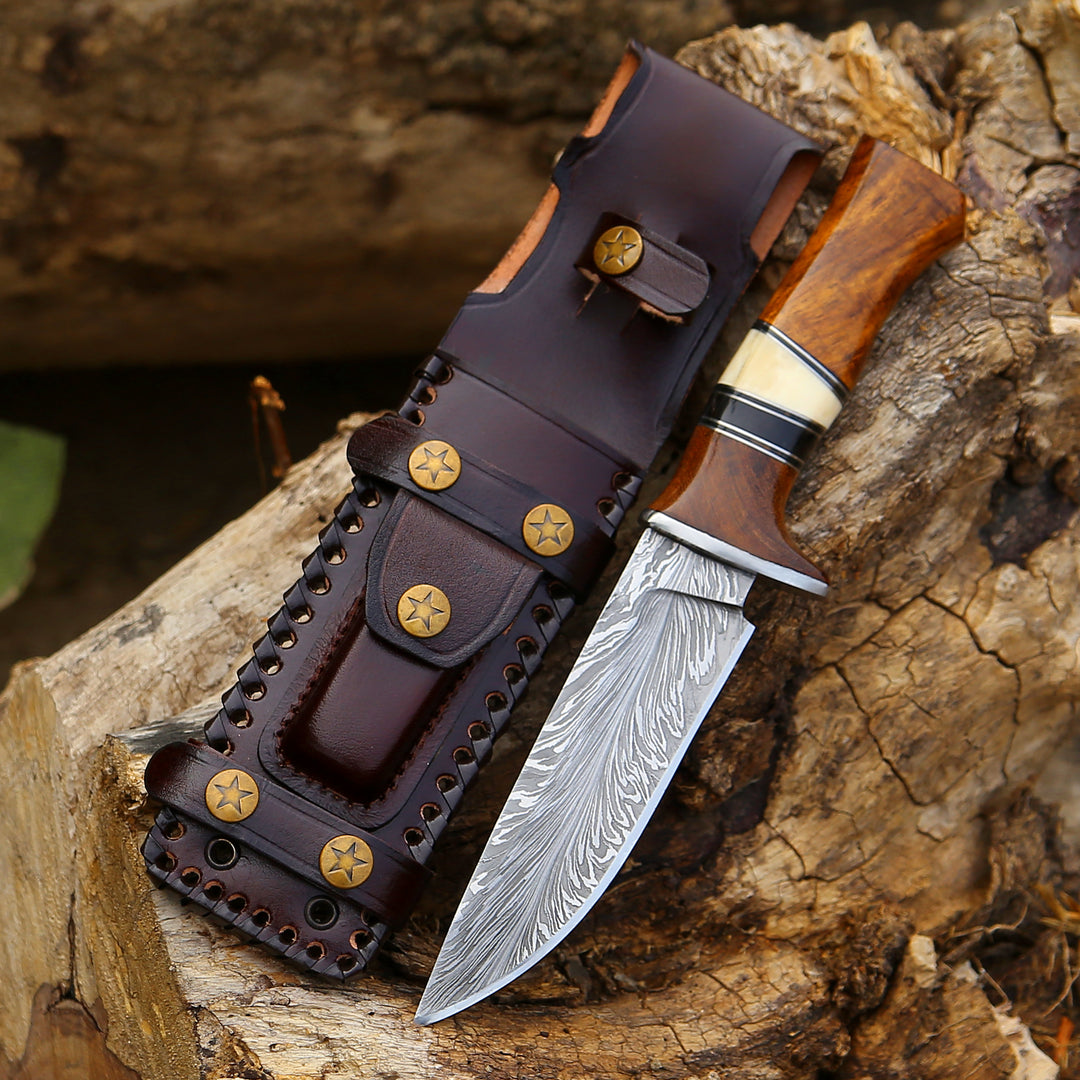
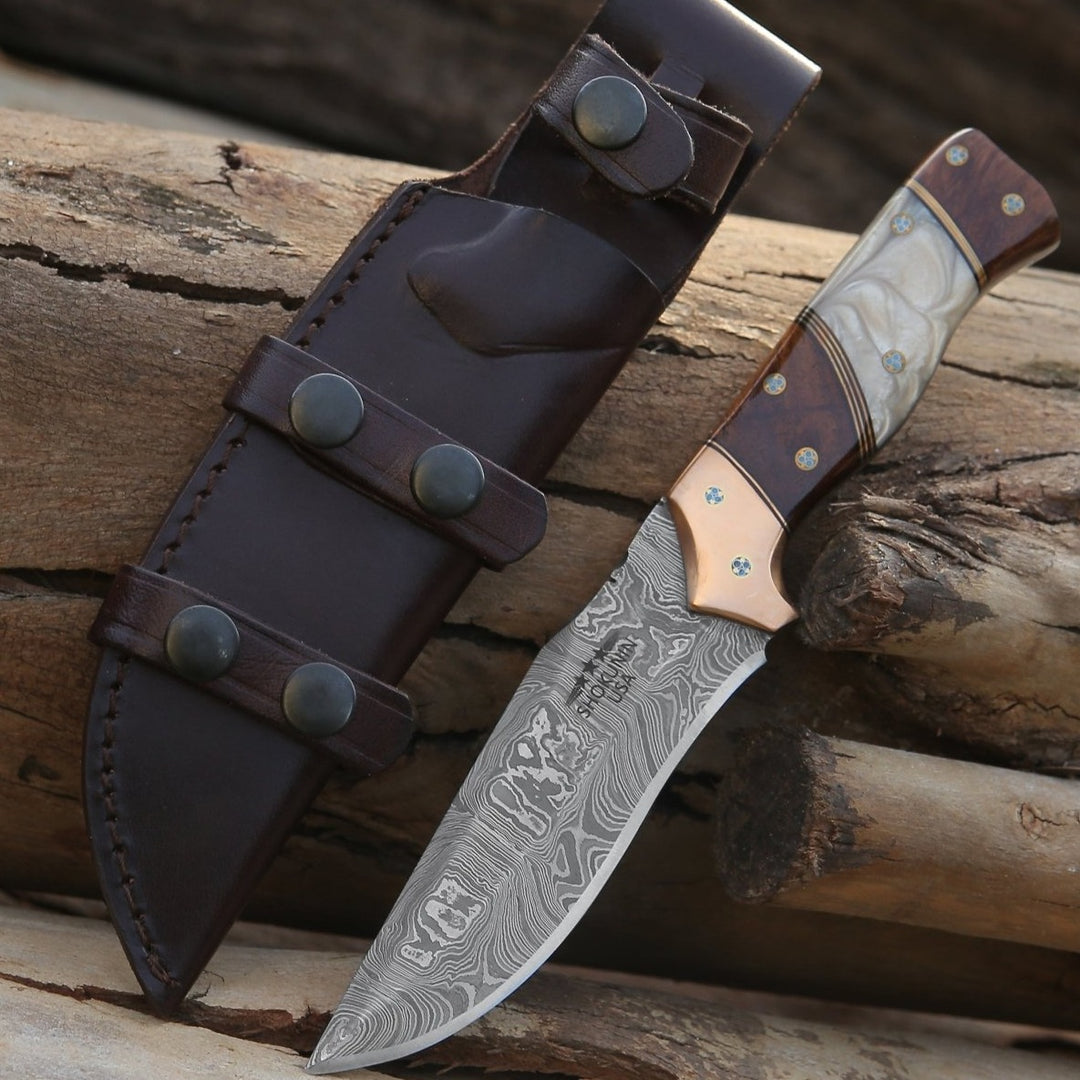
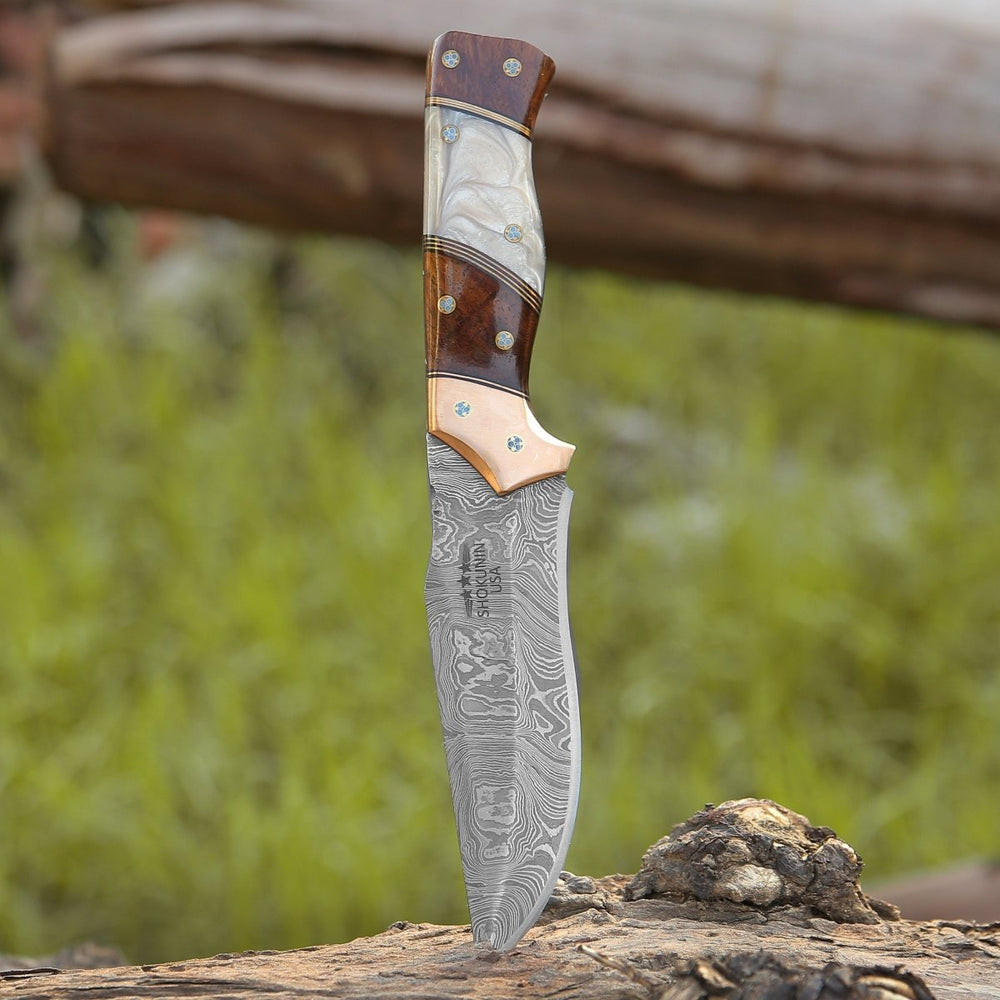
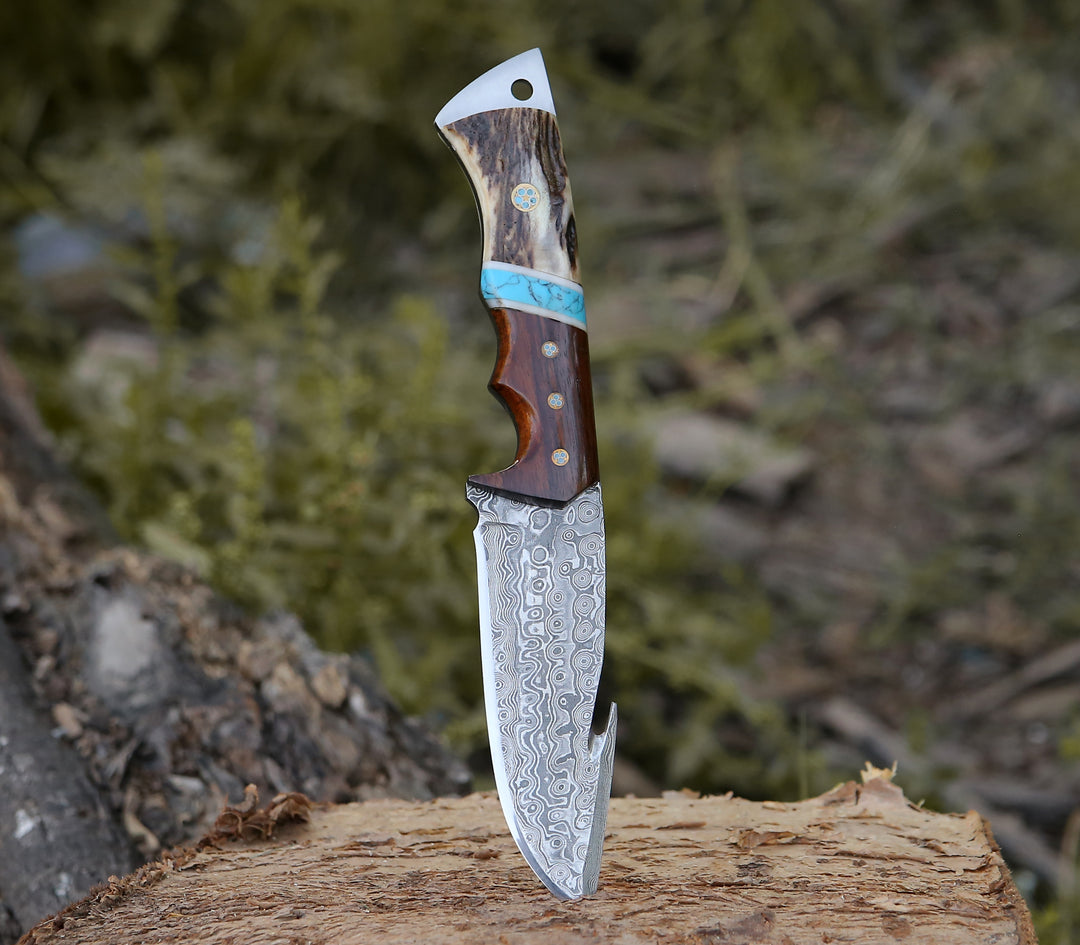
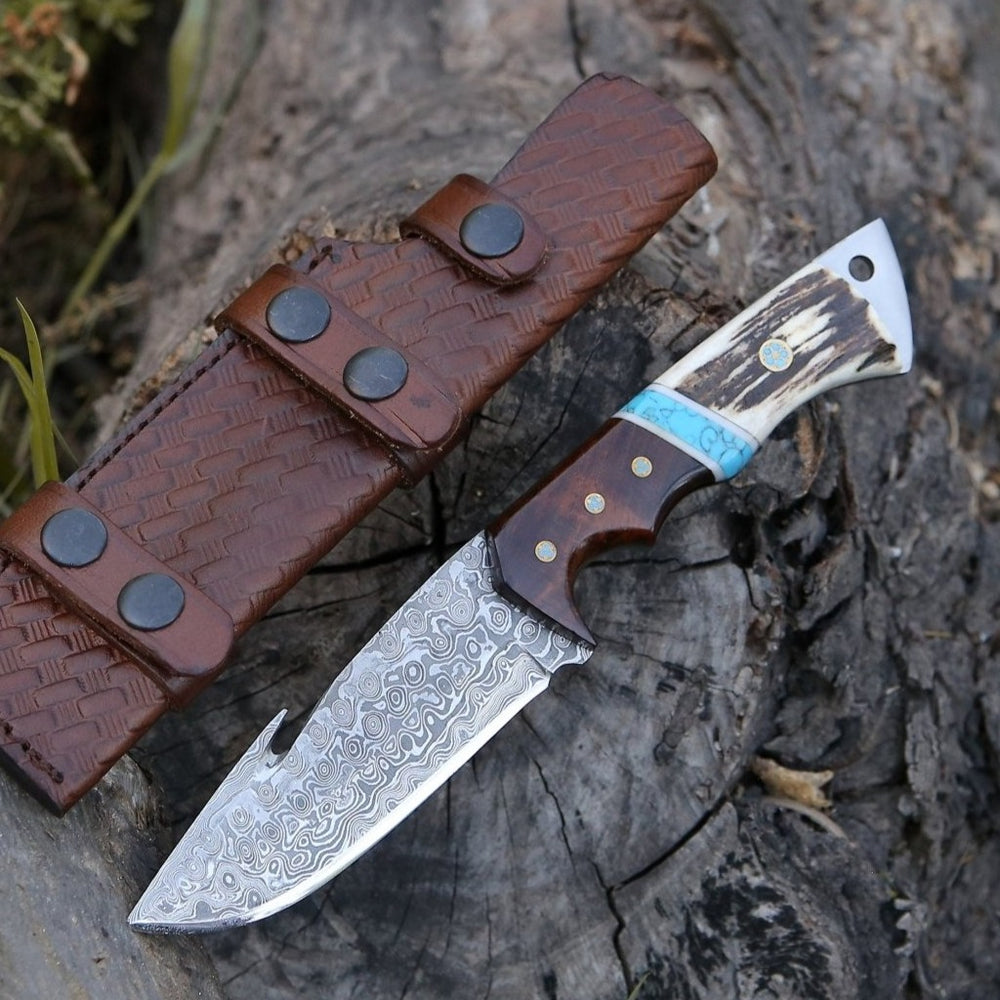
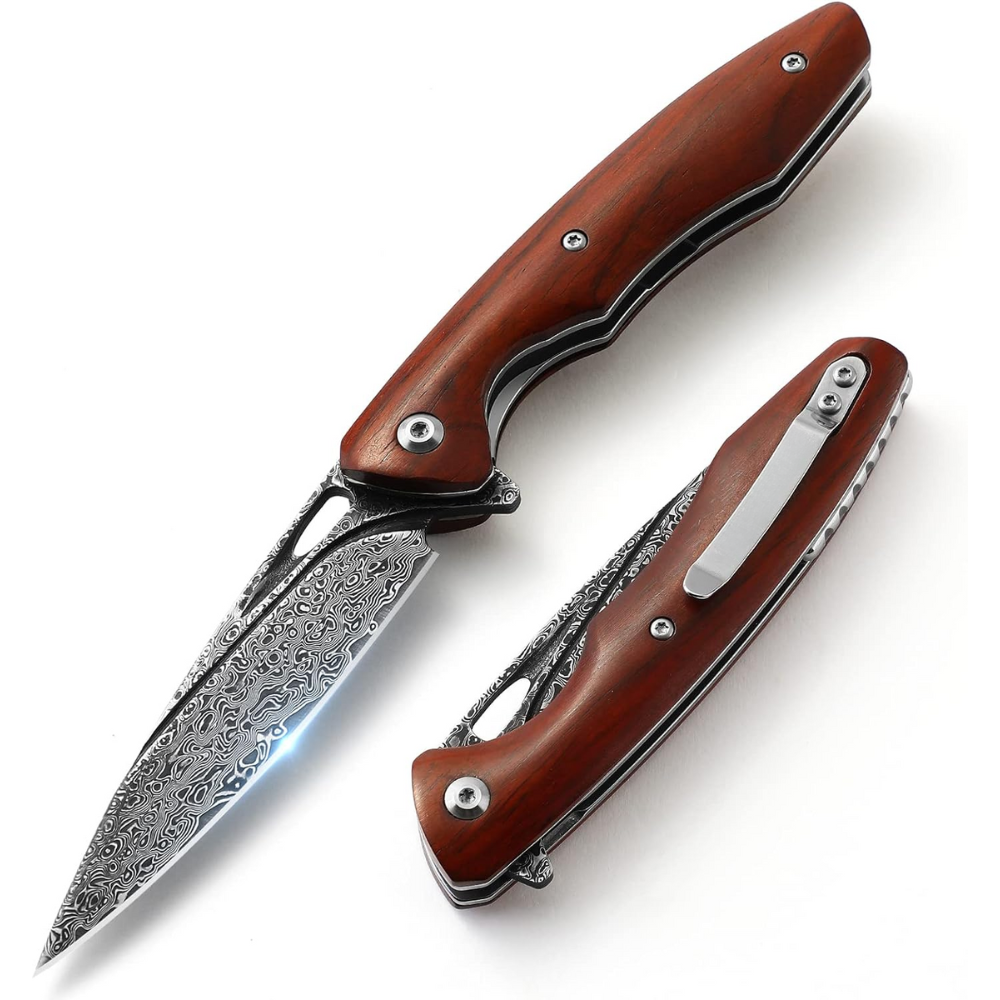
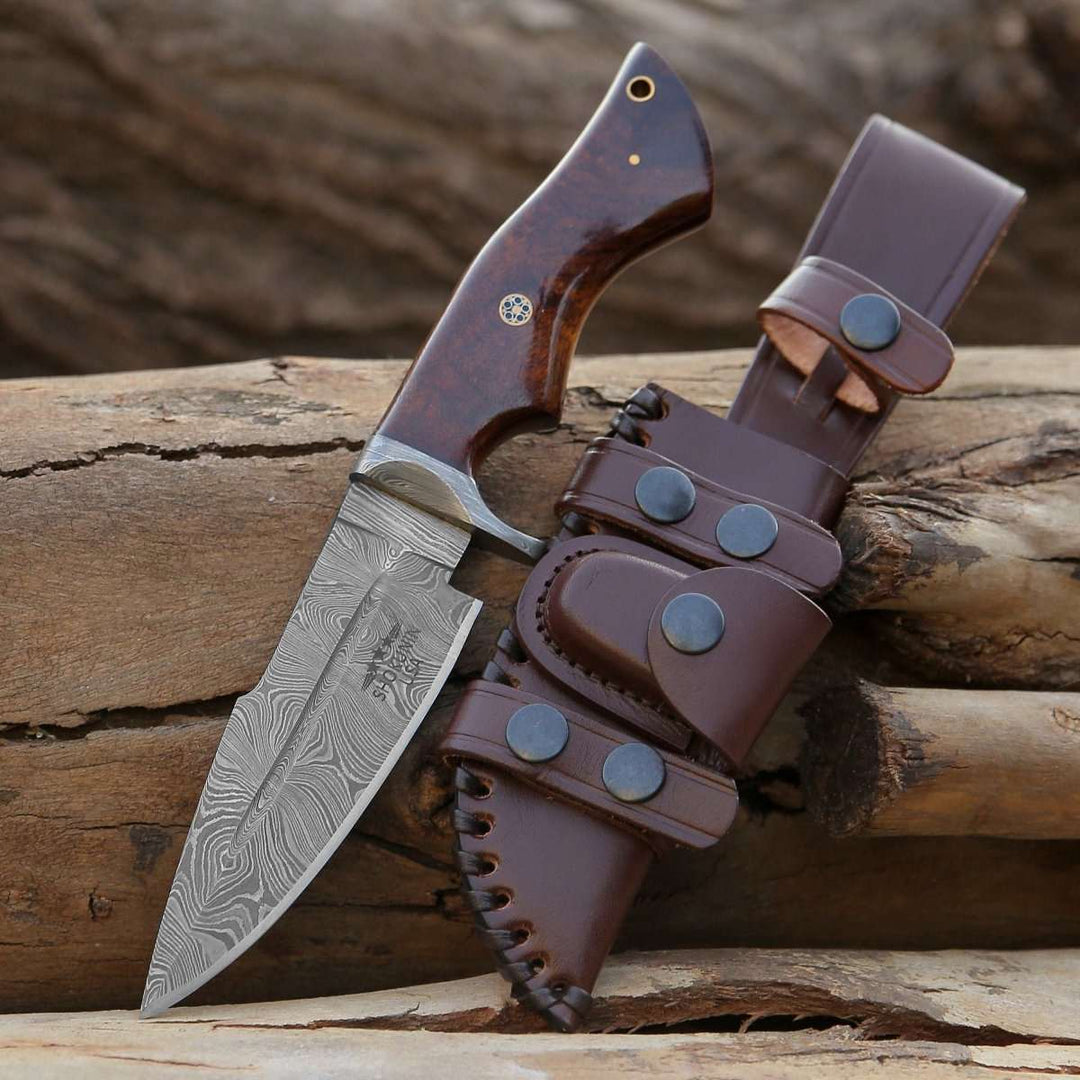
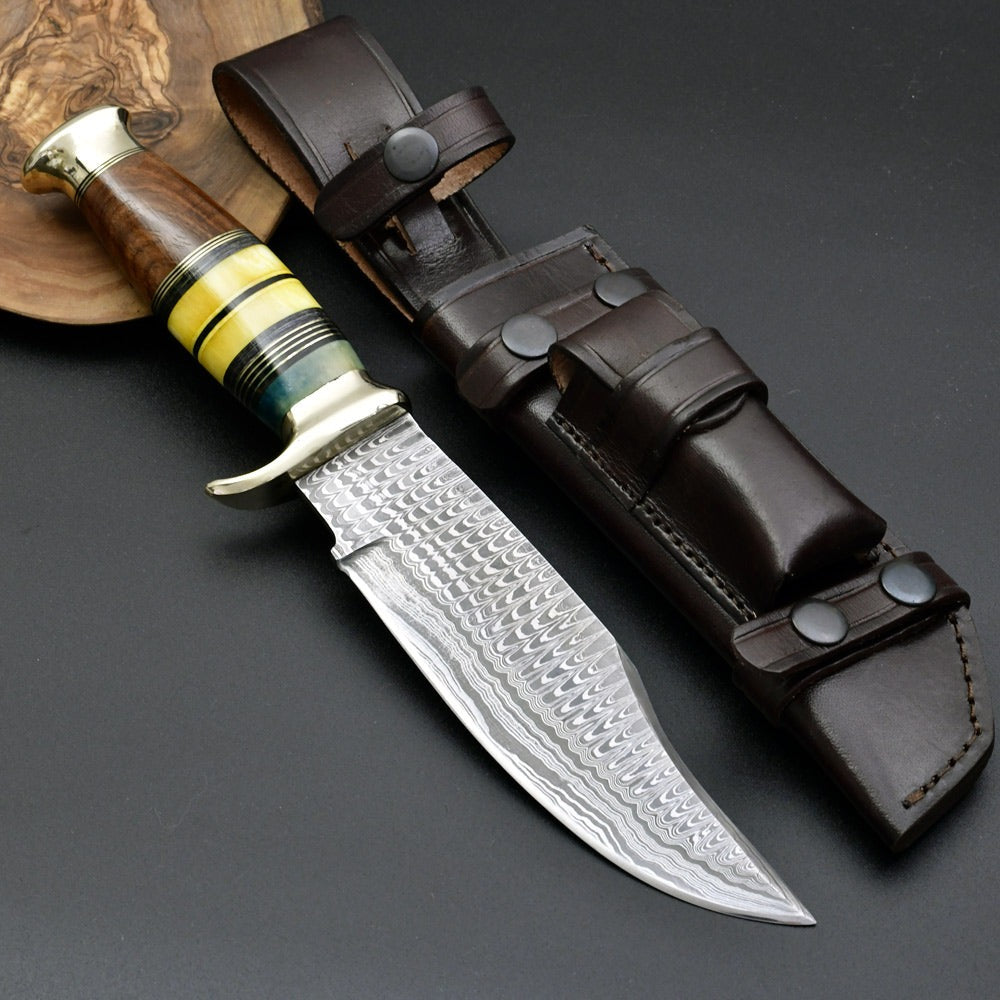
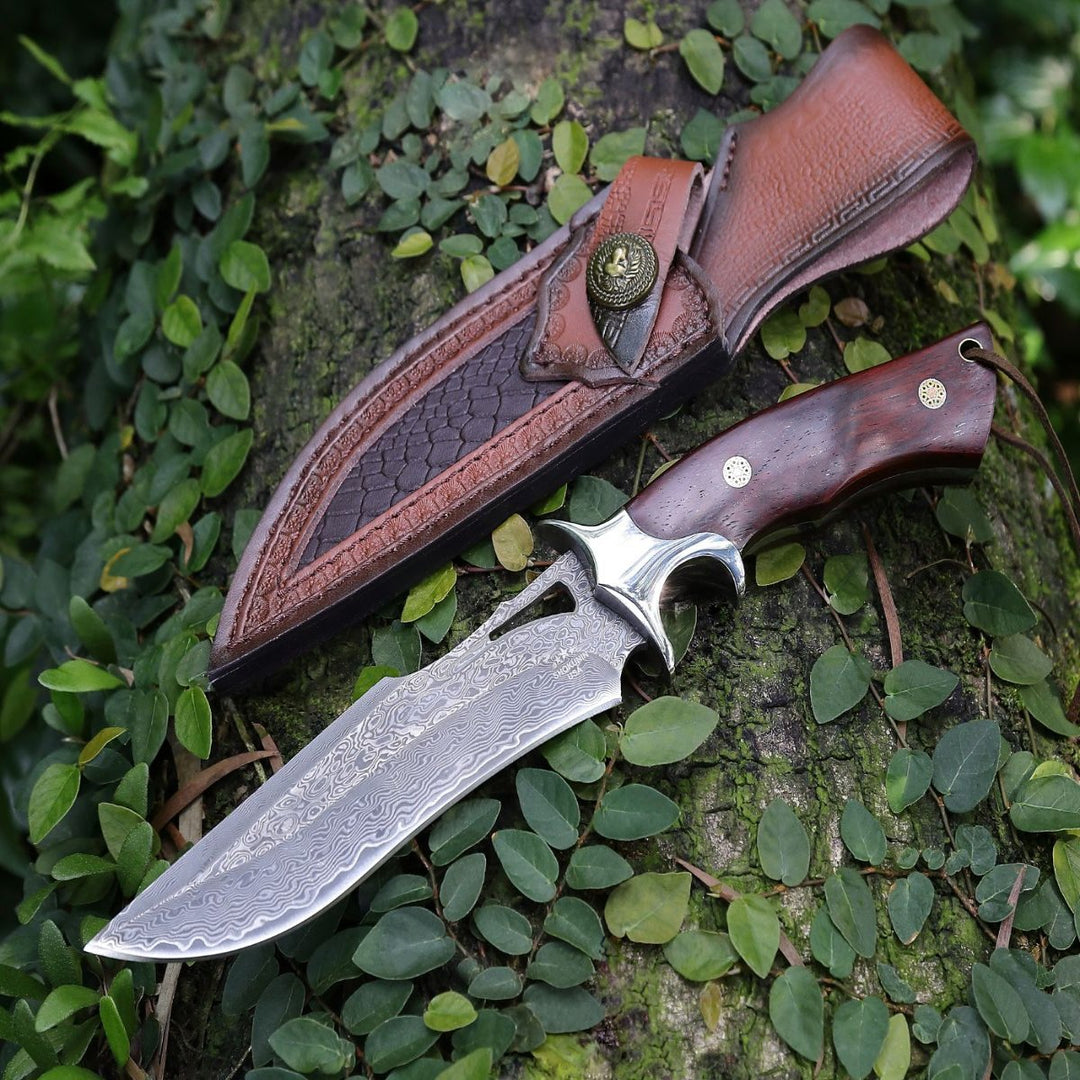
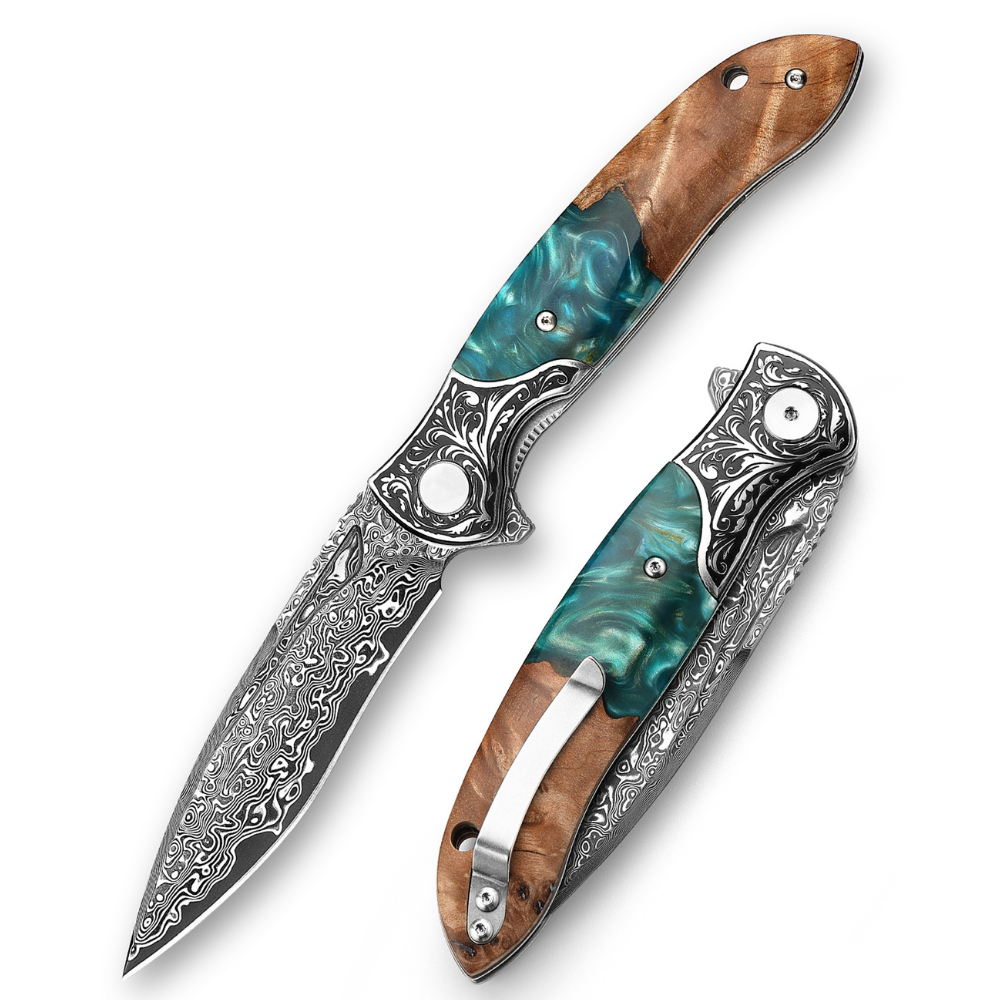
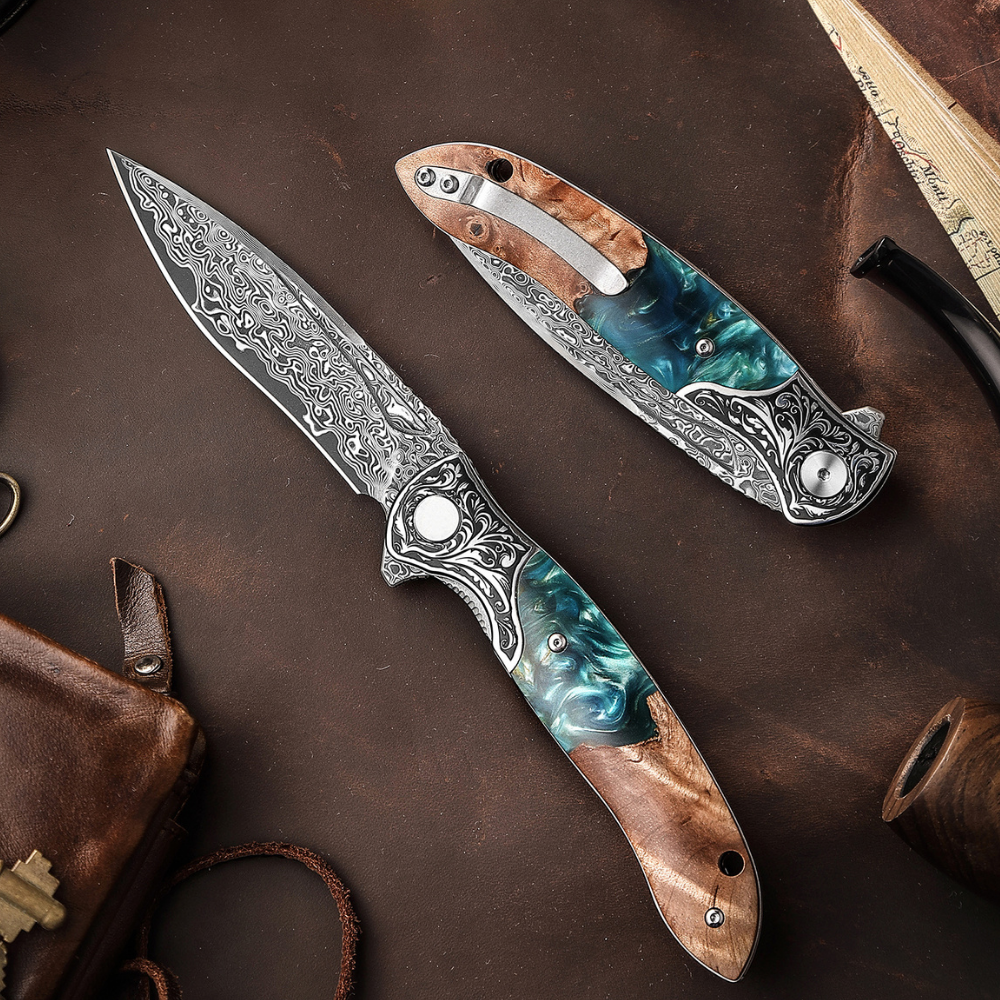
The artistry involved in knife-making is a significant part of celebrating the cultural significance of pocket knives. From blades forged in fires to intricate handle designs, craftsmanship is both a tribute to heritage and an expression of creativity. Skillful artisans pass down techniques and knowledge through generations, ensuring that individual community stories are preserved within the work they create.
Moreover, many knife-making workshops and classes are gaining popularity, encouraging enthusiasts to explore the art form first-hand. This hands-on experience serves to deepen appreciation for the craftsmanship involved in creating pocket knives, while also drawing attention to the cultural narratives behind them.
The Importance of Community and Storytelling
The culture surrounding pocket knives is robustly supported by community. Local knife makers often gather for workshops, exhibitions, and competitions that celebrate their craft. These events not only showcase the individuality of diverse designs but foster relationships among artisans and enthusiasts alike. The stories shared during these gatherings grow the collective understanding of pocket knives, highlighting their various interpretations across cultures.
In addition to celebrating technical skill, storytelling drives the cultural significance of pocket knives. Each blade carries history and memories—those who possess them often share legends or personal anecdotes associated with their knives. Sharing these narratives creates a bond between generations, bridging gaps in cultural knowledge and evoking a deep sense of connection.
Final Thoughts: Embracing Cultural Heritage Through Pocket Knives
As we wrap up our exploration of pocket knives around the world, one thing is evident: these tools are far more than mere instruments. They represent culture, identity, craftsmanship, and shared stories. Understanding their significance across different societies allows us to appreciate not just the practical function they serve but also the bonding experiences they foster among people.
So, the next time you reach for your pocket knife, take a moment to reflect on the history and cultural narratives intertwined with it. Each knife tells a unique story, a reflection of the many people and traditions that have contributed to its legacy. By embracing this cultural heritage, we can continue to honor the artistry, craftsmanship, and enduring significance of pocket knives in today’s world.




Leave a comment