

Overview
This article explores the fascinating history and evolution of knives, tracing their development from primitive tools to modern masterpieces. Readers will learn about the cultural significance of knives, the craftsmanship behind various styles, and the blend of traditional techniques with contemporary innovations. By understanding this journey, enthusiasts can appreciate the artistry and functionality that knives represent in our lives today.
Table of Contents
- The Origins of Knives
- Stone Age Knives
- The Rise of Metal
- The Age of Steel
- The Samurai's Art: Japanese Knife Craftsmanship
- The Modern Era of Knives
- Tradition Meets Innovation
- Cultural Significance of Knives
- Knives in Combat and Defense
- Contemporary Knife Crafting Trends
- Materials and Techniques
- The Popularity of Collecting Knives
- Sustainable Knife-Making Practices
- The Fusion of Technology and Tradition
- Knives as Gifts and Heirlooms
- The Uniqueness of Handmade Knives
- Looking to the Future
- Embracing Your Knife Journey
Key Takeaways
- Knives have a history spanning over 2.5 million years, evolving from primitive stone tools to modern masterpieces.
- The transition from stone to metal, particularly bronze and steel, marked significant advancements in knife durability and functionality.
- Japanese knife craftsmanship is renowned for its meticulous techniques, resulting in high-quality blades like Damascus folding knives.
- Modern knife production blends traditional artisan skills with innovative technology, enhancing design and performance.
- Knife collecting has gained popularity, with enthusiasts seeking unique, handcrafted items for both aesthetic and functional value.
- Sustainable practices in knife-making are becoming more common, focusing on responsible sourcing and eco-friendly production methods.
- Knives serve as meaningful gifts and heirlooms, often personalized to commemorate significant life events.
Knives are among the most fundamental tools that mankind has employed throughout history. From their primitive beginnings in the stone age to the sophisticated, handcrafted masterpieces like the Damascus folding knife available today, the evolution of knives illustrates both human ingenuity and artistry. In this blog post, we will take you on an extensive journey through the history and evolution of knives that have shaped cultures, facilitated survival, and even influenced craftsmanship standards.
The Origins of Knives
The history of knives dates back to prehistoric times, approximately 2.5 million years ago. Early knives were primarily made from stone, wood, or bone. The earliest evidence of knife-like tools comes from the Oldowan tool culture in Africa, featuring simple chipped stones used for hunting and food preparation. These primitive tools set the foundation for the more sophisticated knives to come.
Stone Age Knives
During the Stone Age, flakes chipped off from larger rocks became the first knives. These rudimentary tools were primarily used for survival: cutting meat, peeling fruits, and even shaping wood. As technology advanced, early humans learned to attach these stone blades to handles made from various materials. This innovation marked a significant turning point in knife-making, blending functionality with enhanced user comfort.
The Rise of Metal
About 3,300 years ago, the use of metals like copper and bronze transformed knife-making entirely. The introduction of metallurgical techniques allowed for stronger, more durable, and more efficient knives. Bronze knives emerged, offering sharpened edges that were almost unbreakable, and soon became revered tools among various civilizations, such as the Egyptians and the Greeks.
The Age of Steel
The transition to iron and, subsequently, steel knives in the Iron Age signified a monumental advancement. Steel offered not only hardness but also the ability to create razor-sharp edges. The craftsmanship surrounding knives evolved, leading to intricate designs and variations based on cultural significance.
The Samurai's Art: Japanese Knife Craftsmanship
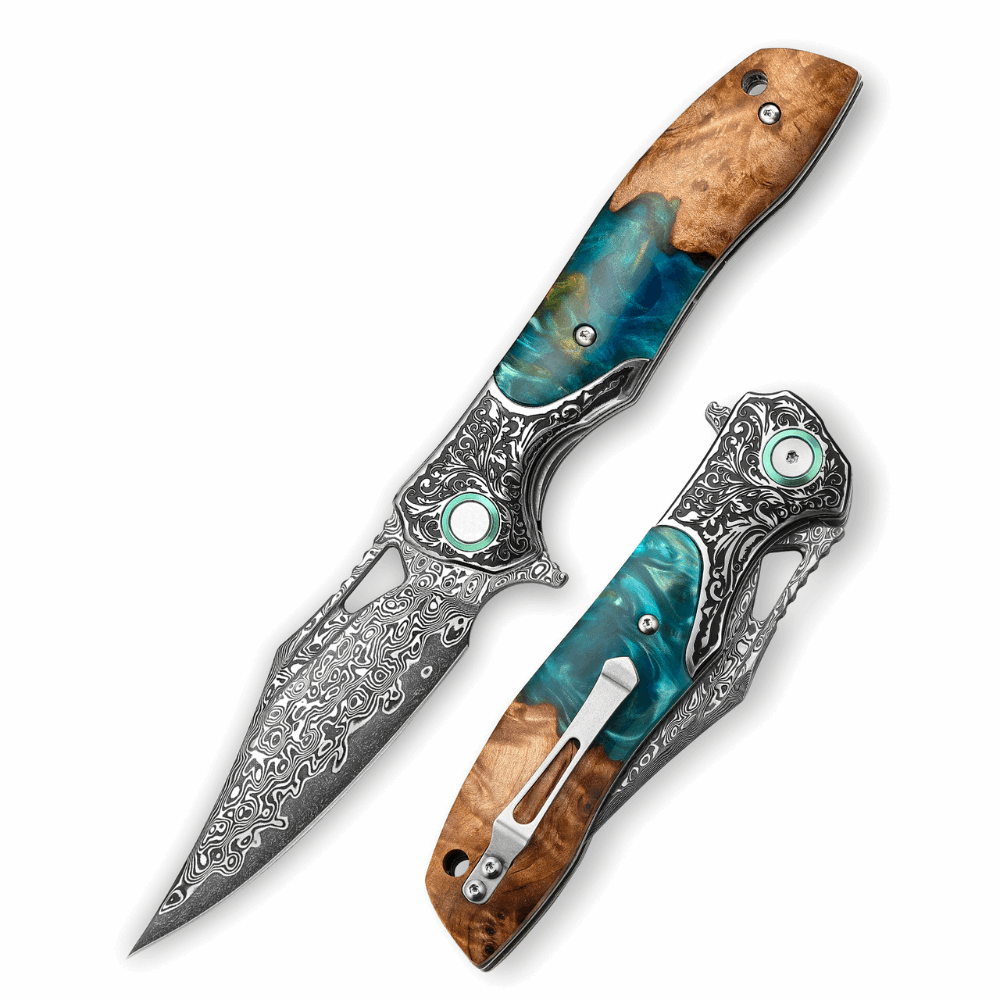
Japan's deep-seated knife culture, characterized by a meticulous approach to craftsmanship, took shape during this period. The creation of handmade knives, especially those forged in the famous sword-making tradition, highlighted the pinnacle of Japanese metalwork. The unique techniques employed in blade forging resulted in stunning damask patterns and colors, captivating both functionality and art. This practice laid the groundwork for modern high-quality blades, including today’s renowned Damascus folding knives.
The Modern Era of Knives
The 19th and 20th centuries brought a revolution in knife production with the industrialization of manufacturing. New tools and machines made knife creation faster and more affordable. Mass production led to the proliferation of various knife styles, including pocket knives, kitchen knives, and survival knives, catering to the expanding needs of a growing population.
Tradition Meets Innovation
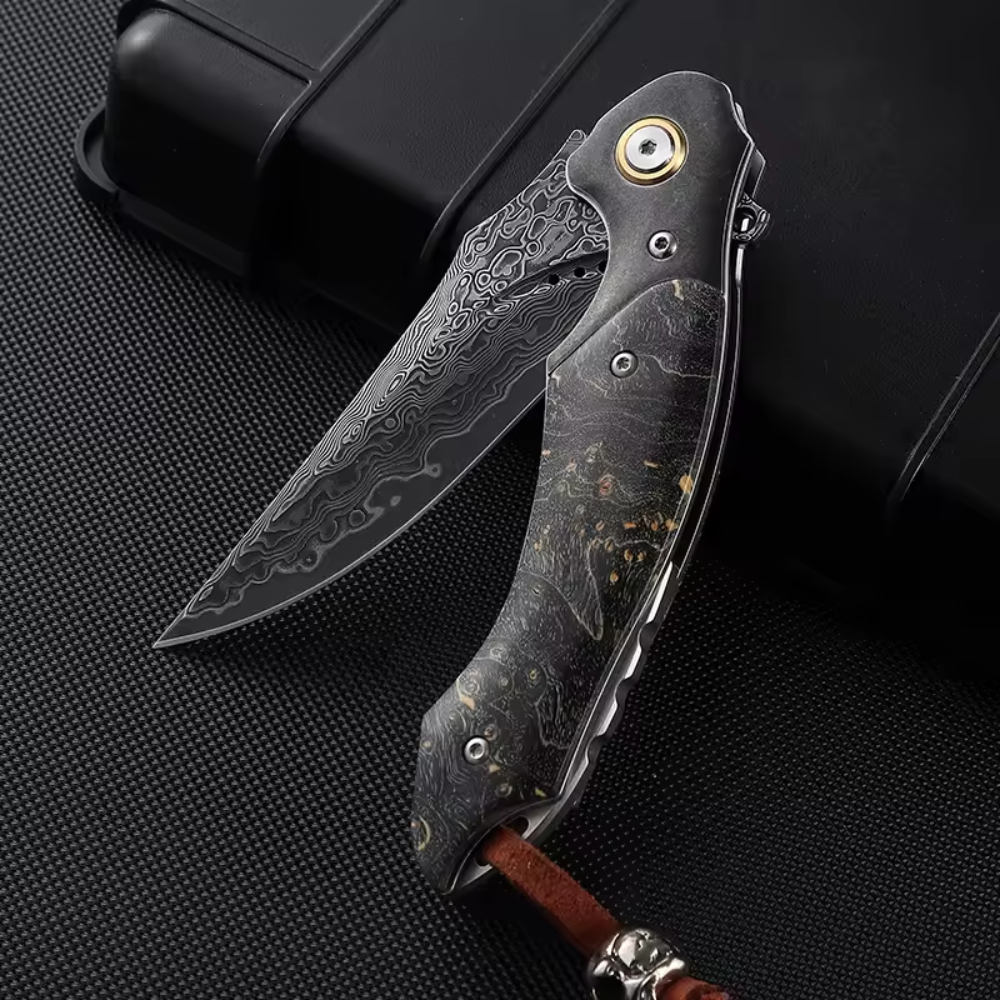
Despite the advances in technology, there has always been a segment that celebrates and upholds traditional craftsmanship. Knife enthusiasts continue to value handmade knives that showcase skill, dedication, and artistry. Knives such as the Vanguard Damascus folding knife are often seen as more than mere tools; they embody an artistic expression that speaks volumes about the craftsmanship behind them.
Cultural Significance of Knives
Throughout history, knives have held cultural meanings beyond their utilitarian value. They have served as symbols of power, authority, and craftsmanship across various societies. In many indigenous cultures, knives are important ceremonial items. They represent bravery, honor, and the connection between the user and the land.
Knives in Combat and Defense
Knives have notably played critical roles in warfare and self-defense. From ancient daggers to modern tactical knives, these tools have been used in countless battles throughout history. Their compact size, combined with lethal effectiveness, has made them a popular choice for soldiers and enthusiasts alike. The crafting and design of combat knives also advanced, mirroring technological developments over the centuries.
Contemporary Knife Crafting Trends
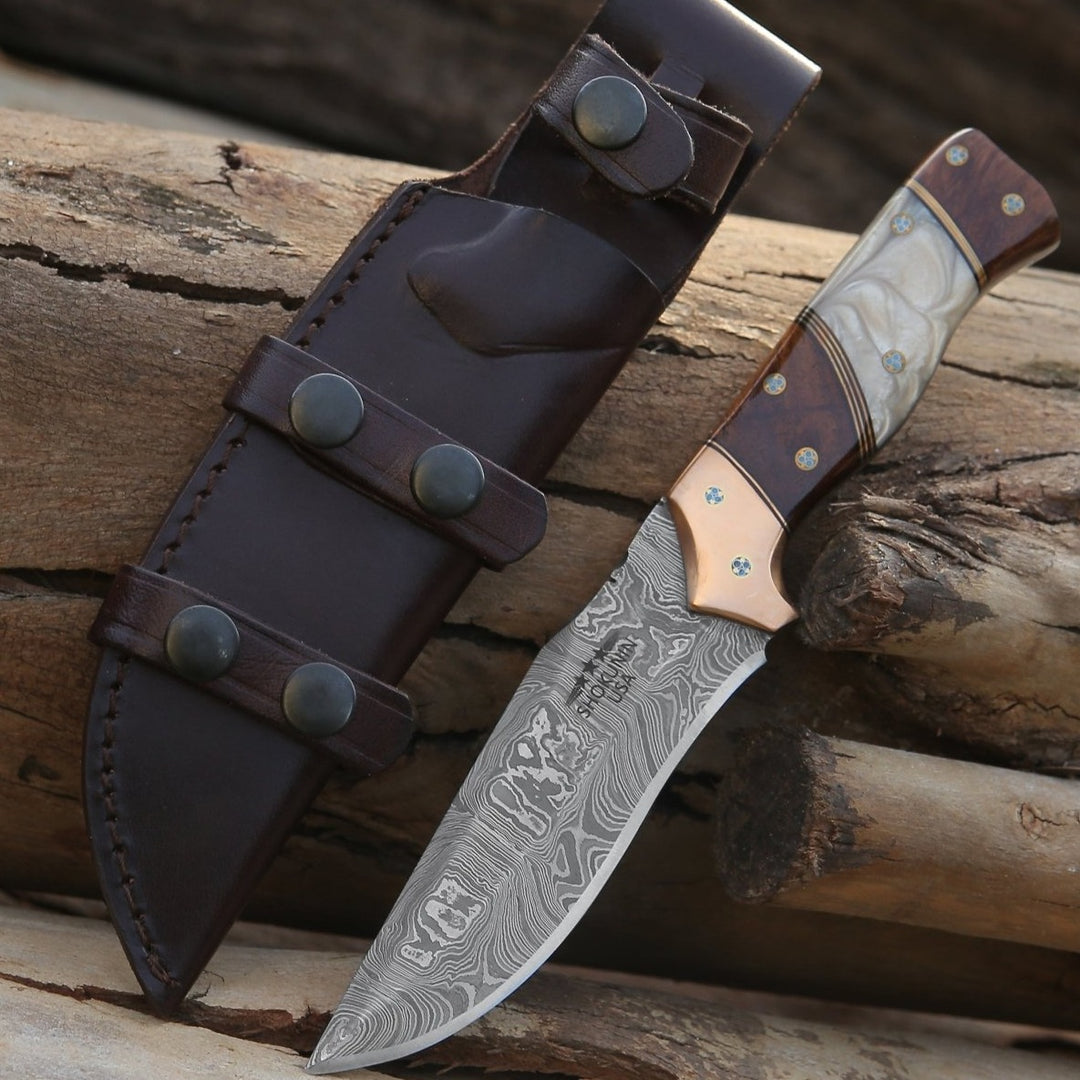
Today, knife-making encompasses a blend of traditional artisan skills and modern technology. The production of handmade knives has seen an impressive resurgence, with artisans employing innovative techniques alongside cherished traditions. Each knife, whether a Damascus folding knife or a custom chef knife, reflects a unique story.
Materials and Techniques
Contemporary knife makers use a variety of materials from different industries. High-carbon steel, stainless steel, and Damascus steel are popular choices among those who craft knives, each offering unique properties that cater to specific needs. Innovative techniques such as water jet cutting, CNC machining, and heat treatment have further pushed the boundaries of knife design and performance.
The Popularity of Collecting Knives
In recent years, knife collecting has become a widespread hobby, with collectors seeking unique, handcrafted items that convey aesthetic and functional value. The market has expanded to include various types of knives, ranging from survival and camping knives to artisan collectibles like the handmade Damascus folding knife.
Sustainable Knife-Making Practices
With the increasing awareness regarding environmental issues, many knife makers are adopting sustainable practices in their production. This includes sourcing materials responsibly and utilizing eco-friendly methods. Artisan brands are also focusing on longevity and durability, ensuring their knives are built to last a lifetime—a trait evident in premium offerings like handmade knives today.
The Fusion of Technology and Tradition
The knife industry continues to evolve with the advent of smart technology. Innovations like built-in sensors to track usage or personalized engraving options for knife handles are catching consumer attention. However, the craftsmanship that goes into creating high-quality knives remains irreplaceable. Unique pieces like the Vanguard Damascus folding knife highlight the fusion of innovation and artisanal techniques.
Knives as Gifts and Heirlooms
Knives have long been popular gifts, often symbolizing significant life events such as weddings, graduations, or anniversaries. Personalized knives serve as cherished heirlooms passed down through generations, imbued with memories and stories. Custom features such as engraving options allow for meaningful messages or names to be added, further strengthening their sentimental value.
The Uniqueness of Handmade Knives
Each handmade knife is unique, showcasing the distinct style and technique of the artisan. The intricate details involved in crafting handmade knives ensure that no two knives are exactly alike. This quality, paired with the personal touch of customization, makes gifts unique and meaningful.
Looking to the Future
The importance of knives in our everyday lives remains unwavering, despite rapid changes in society. As we move forward, the appreciation for skilled craftsmanship in knife-making will likely continue to thrive, influenced by consumer interest in quality, functionality, and design. From survival to culinary arts, knives will perpetually hold significant value.
Embracing Your Knife Journey
As with any craftsmanship, knowing the history and evolution of knives can enhance your appreciation for these tools. Whether you are an outdoor enthusiast, a culinary aficionado, or a collector, understanding the art and craft involved in knife-making is vital to enjoying their full potential. As you explore your knife journey, consider finding a piece that represents not just utility but also a slice of history—perhaps a Damascus folding knife that tells its story through every slice.
This journey through the rich history and evolution of knives highlights how far we have come and the craftsmanship that has stood the test of time. Join the movement to cherish unique handmade offerings, and celebrate the timeless tradition that intertwines our past with our future.
Frequently Asked Questions
1. What is the origin of knives?
2. How have knife-making techniques evolved over time?
3. What role do knives play in different cultures?
4. What are contemporary trends in knife-making?
5. Why are handmade knives considered unique?
Glossary
| Term | Meaning |
|---|---|
| Knife | A tool used for cutting, typically consisting of a blade and a handle. |
| Damascus Steel | A type of steel known for its distinctive patterns and strength, used in high-quality knives. |
| Metallurgy | The science of working with metals to create tools and objects. |
| Blade | The cutting part of a knife, usually made from steel or other hard materials. |
| Handle | The part of the knife held by the user, providing grip and control. |
| Artisan | A skilled craftsperson who creates handmade items, often focusing on quality and detail. |
| Collectible | An item valued for its rarity or uniqueness, often sought after by enthusiasts. |
| Sustainable Practices | Methods that minimize environmental impact and promote responsible sourcing of materials. |
| Customization | The process of modifying an item to meet specific preferences or needs. |
| Cultural Significance | The importance of an object in representing beliefs, values, or traditions within a society. |
Linked Product

Vanguard Damascus Folding Knife with Charred Oak Handle
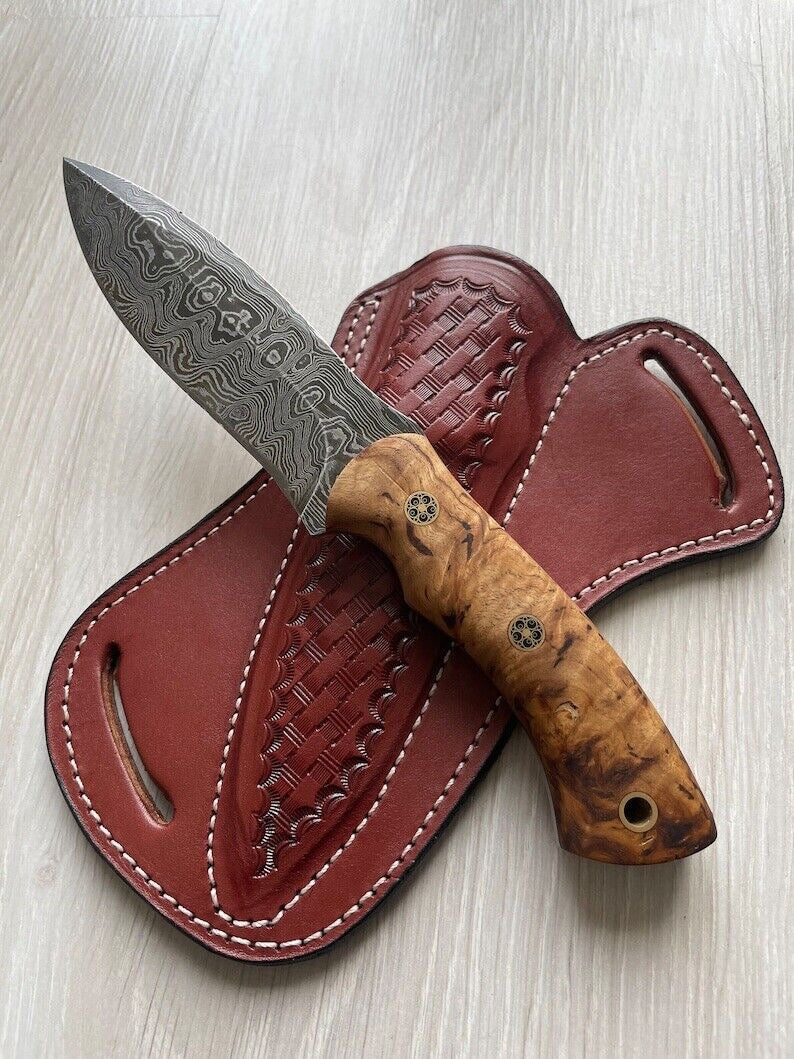
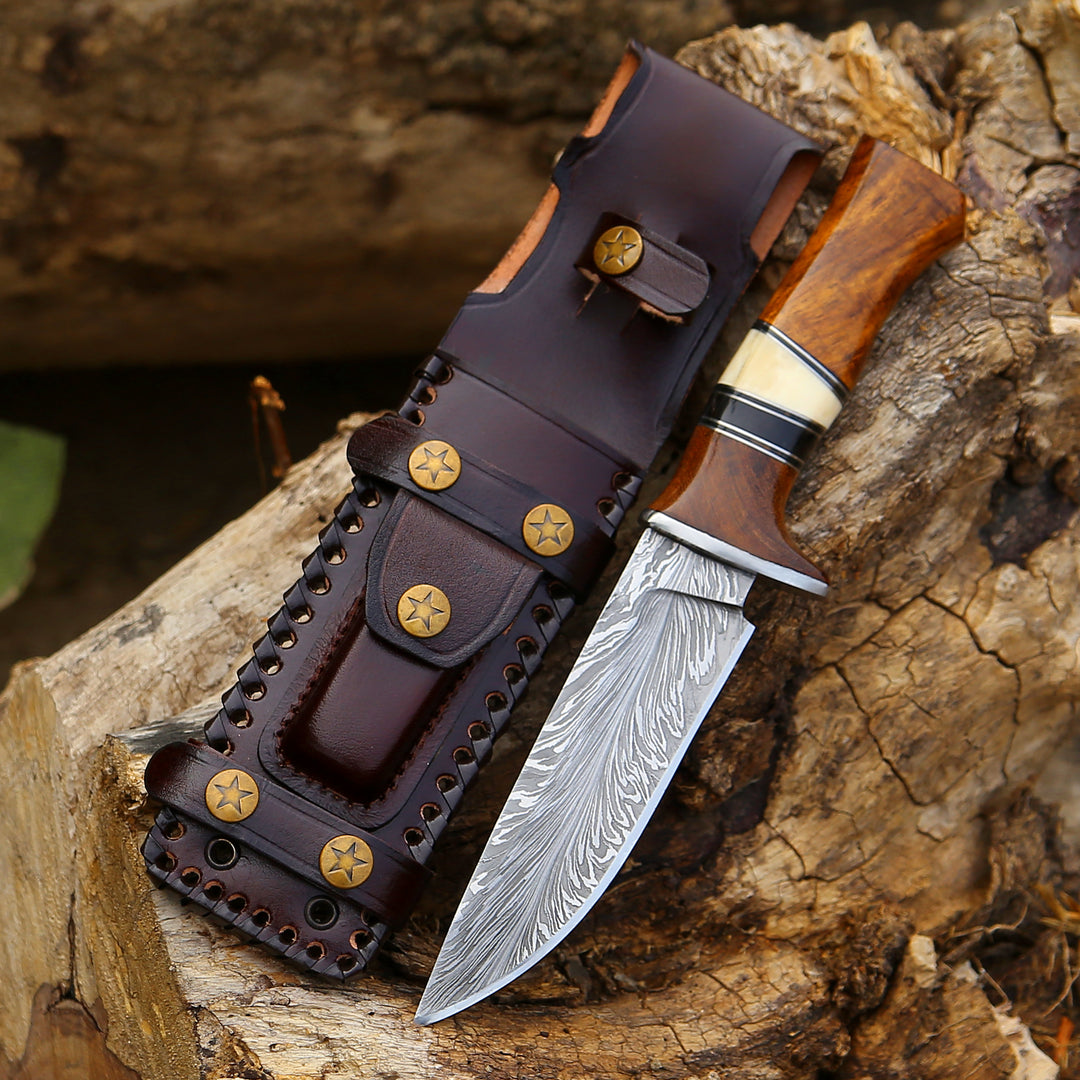
The Vanguard Damascus Folding Knife features a hand-forged blade with a unique Damascus pattern, making it ideal for activities such as hunting, fishing, and camping. Its charred oak handle provides a comfortable grip and durability, while the secure lock-back mechanism ensures safety during use. Additionally, the knife comes with a hand-stitched leather sheath and offers personalization options, making it a thoughtful gift for knife enthusiasts.
View Product







Hinterlassen Sie einen Kommentar