

Overview
Pocket knives are not just practical tools; they also carry significant environmental implications during manufacturing. This article explores the entire life cycle of pocket knife production, from resource extraction to distribution, highlighting the ecological impact of materials and processes. It advocates for sustainable practices, including the use of eco-friendly materials, reduced energy consumption, and responsible sourcing. Consumers are encouraged to make informed choices to support sustainability in the industry, while artisans can lead the way by promoting awareness and innovative practices. Together, we can ensure pocket knives embody both utility and environmental responsibility.
Frequently Asked Questions
1. What is the main focus of the blog article?
2. What are the stages involved in the life cycle of pocket knife manufacturing?
3. How can manufacturers and consumers promote sustainability in pocket knife production?
4. What is a lifecycle assessment (LCA)?
5. What role do artisans play in sustainability for pocket knives?
In the world of outdoor tools and everyday carry, pocket knives hold a special place. Not just a tool for the outdoors, they are symbols of craftsmanship and design. However, the manufacturing of these pocket knives, especially handmade knives, is often an overlooked topic when discussing their environmental impact. In this article, we will delve into the ecological considerations surrounding pocket knife manufacturing. From resource extraction to production processes, the various stages involved will be discussed to raise awareness and promote more sustainable practices.
The Pocket Knife: A Brief Overview
Before we dive into the environmental implications, let’s take a moment to understand what pocket knives are. Originating centuries ago, pocket knives are versatile tools that can be used for a multitude of purposes, from opening packages to performing tasks in the wilderness. With the rise of customization and a greater appreciation for craftsmanship, handmade knives have gained substantial popularity.
What Makes Handmade Knives Different?
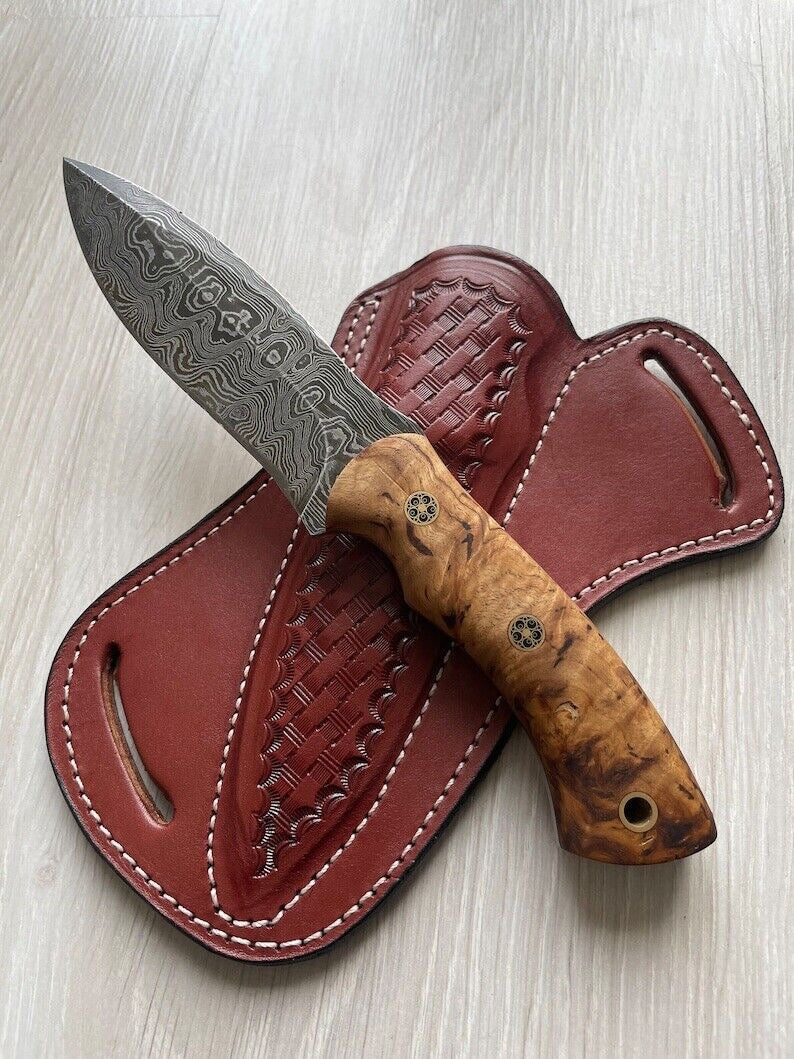
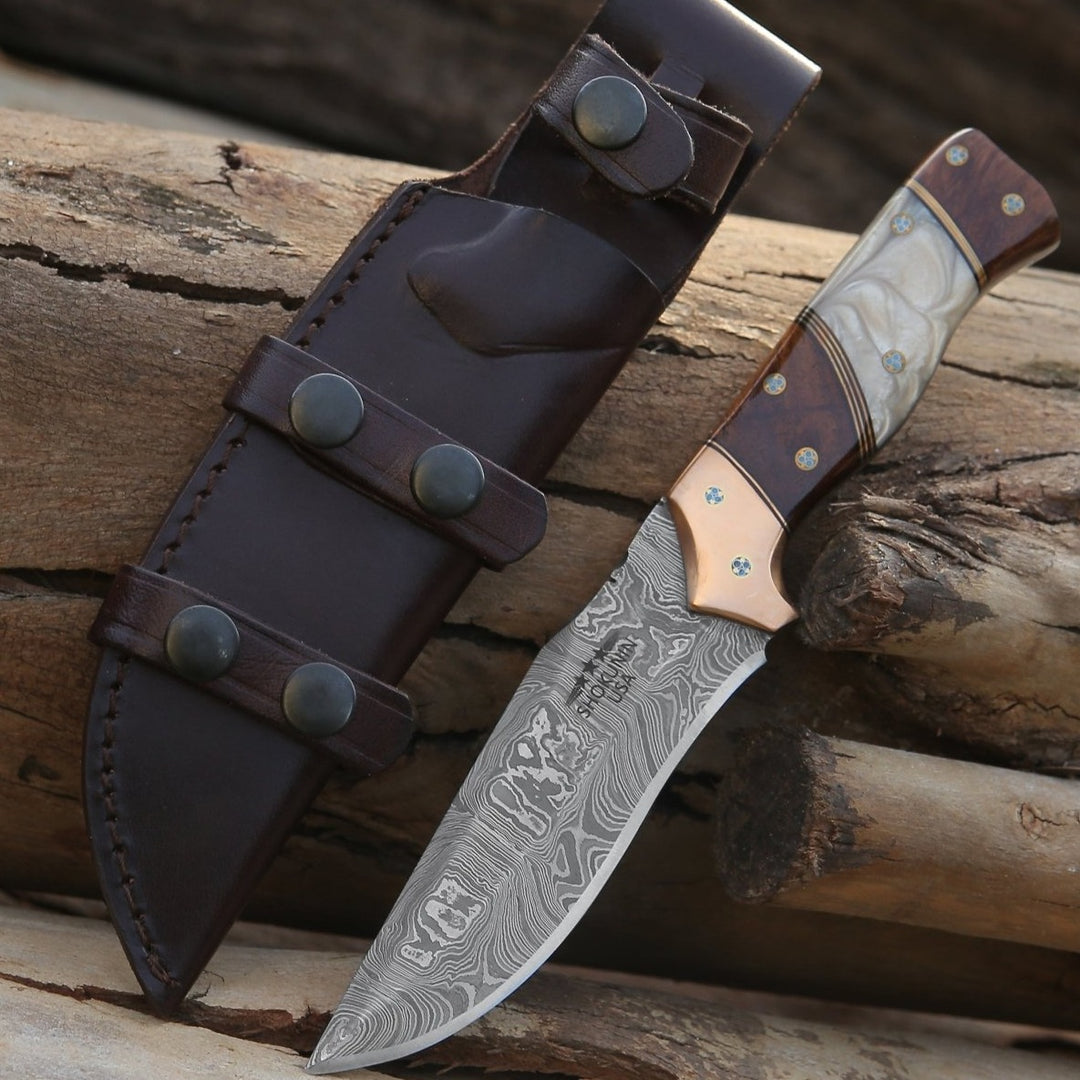
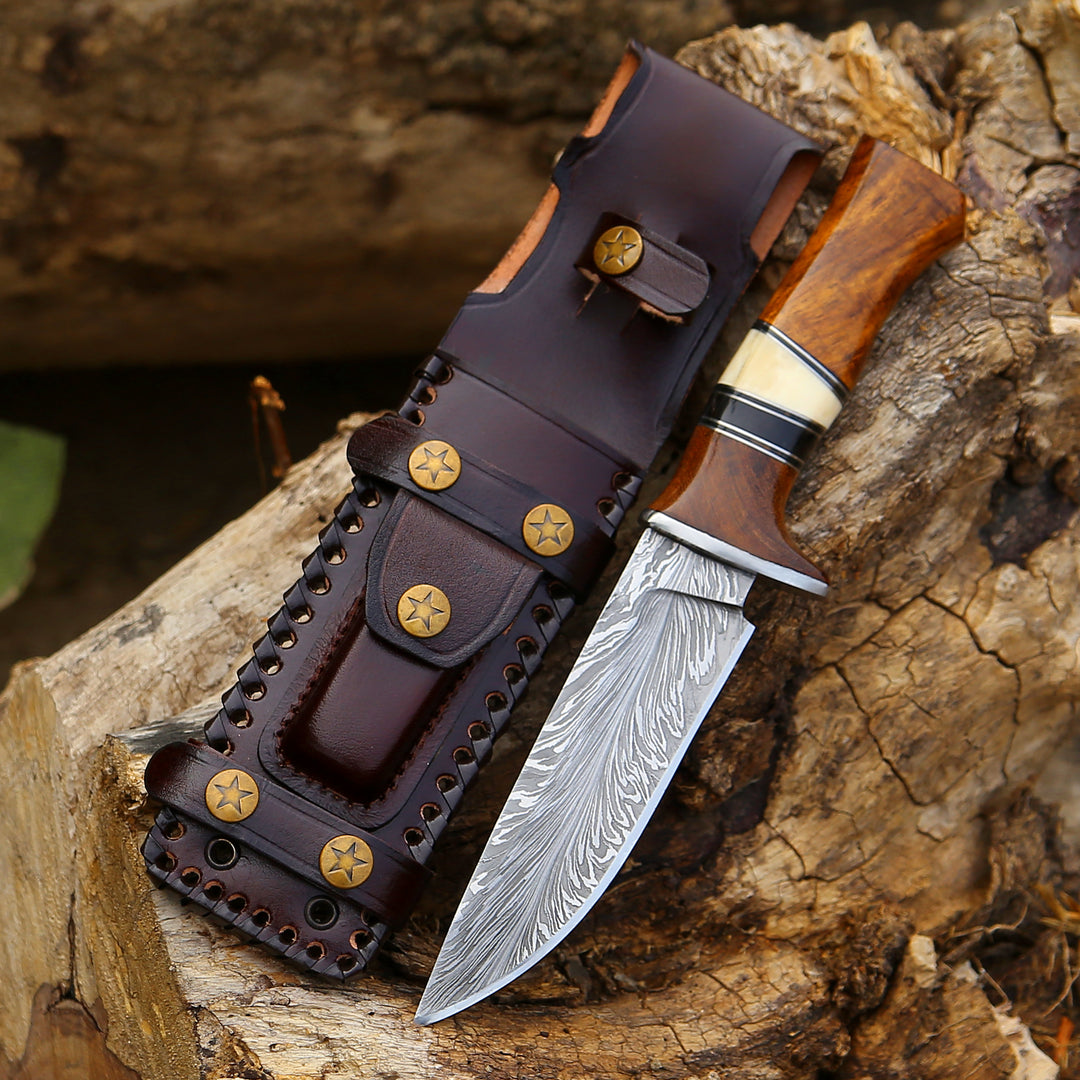
Unlike mass-produced options, handmade knives are often created by artisans who prioritize quality over quantity. This can mean using high-quality materials and techniques that might not only enhance the knife's usability but also its longevity. Yet, even these meticulous processes carry environmental implications.
The Life Cycle of Pocket Knife Manufacturing
Understanding the life cycle of pocket knives can give us insights into their environmental impact. The stages can typically be broken down into several parts: resource extraction, manufacturing, distribution, and end-of-life management. Let's explore each of these stages.
Resource Extraction
The first step in pocket knife manufacturing is the extraction of raw materials such as metals, plastics, and wood. Here’s how this phase impacts the environment:
- Mining for Metals: Most blades are made from steel or other alloys, which require mining. This can lead to habitat destruction, pollution of waterways, and substantial carbon footprints.
- Sourcing of Materials: The ecological footprint of sourcing wood for handles can vary significantly. Unsustainable logging practices can lead to deforestation, which impacts biodiversity and contributes to climate change.
- Plastic and Synthetic Materials: Many knives incorporate rubber and plastic components. The production of these materials often relies on fossil fuels, which are a significant contributor to carbon emissions.
Manufacturing Practices
Once the materials are sourced, the next step involves their transformation into pocket knives. The manufacturing processes can vary greatly, especially between mass production and handcrafted techniques:
- Mass Production: This process is efficient but can be heavily resource-intensive, often leading to large amounts of waste and by-products.
- Handcrafted Production: Handmade knives often use less energy-intensive methods. Artisans typically produce fewer items, leading to fewer by-products and waste. However, the artisanal aspect can mean higher resource use per item created.
Distribution: The Journey to the Consumer
Once fabricated, pocket knives need to reach consumers. This phase also contributes to their overall environmental impact:
- Transportation Emissions: Transporting knives from manufacturers to retailers, and eventually to customers, contributes to greenhouse gas emissions. Depending on the distance and transport methods, this can vary drastically.
- Packaging Waste: The materials used for packaging can also contribute to environmental issues. Excessive or non-recyclable materials lead to increased waste.
The Role of Sustainable Practices
Fortunately, there’s a growing awareness and movement toward sustainable practices in the pocket knife manufacturing industry. Both manufacturers and consumers can take steps to minimize environmental impact:
Eco-friendly Materials
Utilizing sustainable materials in the production of pocket knives can significantly reduce environmental harm. This includes sourcing recycled metals, utilizing sustainably harvested wood, and replacing plastics with biodegradable alternatives whenever possible.
Reduced Energy Consumption
Adopting energy-efficient manufacturing processes can decrease the carbon footprint associated with producing knives. This includes utilizing renewable energy sources and reducing waste throughout the production line.
Responsible Sourcing
Working with suppliers who prioritize environmentally-friendly practices is crucial. They should be transparent about their sourcing methods and actively work to minimize environmental impact.
The Importance of Lifecycle Assessment
Performing a lifecycle assessment (LCA) of pocket knives is essential, as it offers clear insights into the environmental impacts associated with each stage of a product’s life. This allows manufacturers to make informed decisions regarding resource efficiency, waste reduction, and sustainability. For buyers seeking handmade knives, understanding these assessments can help make more eco-conscious purchasing choices.
Encouraging a Circular Economy
The concept of a circular economy is vital in reducing the overall environmental impact. A circular economy encourages the reuse, recycling, and repurposing of materials, which can help mitigate waste:
- Repairable Designs: Knives designed for longevity and easy repair can reduce the frequency of replacements.
- Recycling Programs: Establishing programs that allow consumers to return old knives for proper recycling can help prevent waste and associated ecological impacts.
Being an Informed Consumer
As a consumer of pocket knives, especially those handcrafted, being informed can promote sustainability in the industry:
- Research the Brand: Look for brands that disclose their sourcing processes, energy consumption, and production methods. This ensures you support environmentally conscious businesses.
- Ask Questions: Don’t hesitate to reach out to makers or manufacturers to inquire about their sustainability practices. A genuine commitment to the environment should yield informative responses.
- Prioritize Quality: Investing in a well-made, durable pocket knife reduces the need for frequent replacements, which can decrease your overall environmental footprint.
The Role of Artisans in Promoting Sustainability
Artisans who create handmade knives carry a unique opportunity to influence the broader industry. Their dedication to craftsmanship often includes a commitment to sustainable practices, which can lead to positive changes in consumer behavior:
- Raising Awareness: Artisans can use their platform to educate consumers about the environmental impact of their products and the importance of sustainability.
- Encouraging Responsiveness: By showcasing the craftsmanship involved in creating handmade knives, artisans can foster a culture of appreciation for quality over quantity.
- Innovating with Materials: Artisans can explore new and sustainable materials or techniques that may not typically be used in mass production.
Trailblazing a Sustainable Future for Pocket Knives
Understanding the environmental impacts of pocket knife manufacturing, especially regarding handmade knives, is crucial for enabling positive change in the industry. By advocating for sustainable practices, supporting responsible brands, and embracing a circular economy, we can all contribute to reducing our ecological footprint.
By being informed and making conscious choices, you, as a consumer, will not only invest in tools that will serve you well but also support the environment. The path toward sustainability is achievable when both artisans and consumers unite in their commitment to this cause. In a world that is increasingly focused on reducing environmental impact, let us ensure that pocket knives are tools that embody both utility and sustainability!








Leave a comment