

Overview
Pocket knives have historically been significant tools for many renowned figures, symbolizing practicality, ingenuity, and personal style. From George Washington to Abraham Lincoln, these versatile tools aided in various tasks and adventures, leaving a lasting legacy. Today, pocket knives continue to be valued for their functionality, craftsmanship, and historical connection, making them relevant in modern life.
Frequently Asked Questions
1. What is the historical significance of pocket knives?
2. Which historical figures are associated with pocket knives?
3. What are some practical uses of pocket knives mentioned in the article?
4. Why should someone consider investing in a pocket knife today?
5. How can one choose the right pocket knife?
Pocket knives have played a significant role in the lives of many historical figures. These versatile tools not only served practical purposes but also became symbols of ingenuity and personal style throughout history. In this article, we'll explore some renowned personalities and their famous pocket knives, illustrating how these small yet mighty tools can leave a lasting impact.
The Significance of Pocket Knives in History
The history of pocket knives can be traced back centuries, serving various functions across cultures. Initially constructed for practical uses such as farming or crafting, they quickly evolved into symbols of status and individuality. Leaders, adventurers, and everyday folk all wielded pocket knives, making them an integral part of daily life.
As we dive into the lives of some historical figures associated with pocket knives, it's important to recognize their significance in craftsmanship and survival. These tools often accompanied their owners through pivotal moments, highlighting their versatility and reliability.
George Washington: The Father of a Nation
George Washington, the first president of the United States, is a monumental figure in American history. Known for his passion for craftsmanship, Washington had a penchant for pocket knives. Although many details about his specific pocket knives remain lost to time, it’s well-documented that he relied on these tools for multiple tasks, including farming and preparing for war.
Craftsmanship and Utility
Washington's use of pocket knives reflects a deeper appreciation for skill and utility. He often employed these tools in woodworking, demonstrating the practicality necessary for a life spent on the frontier. Pocket knives, such as his handmade versions, symbolized his resourcefulness and self-reliance—themes that resonated throughout his life and leadership.
Charles Darwin: The Evolution of Science
Charles Darwin, the English naturalist and geologist, is best known for his contributions to the theory of evolution. His adventures aboard the HMS Beagle took him to many corners of the world, and during these travels, Darwin relied heavily on his trusty pocket knife.
A Tool for Exploration
Darwin's pocket knife was not just a practical instrument but a companion in his quest for knowledge. It was crucial for tasks like collecting specimens and samples from his travels. This tool represented curiosity and exploration, key components of his scientific mission. Pocket knives enabled him to record and analyze the rich biodiversity he encountered, demonstrating their importance in scientific discovery.
Thomas Jefferson: The Renaissance Man
Another notable historical figure who valued pocket knives was Thomas Jefferson, the third president of the United States and a polymath. Jefferson had a deep appreciation for the arts and sciences, alongside his role in shaping a nation. He often carried a pocket knife which he used for various purposes, from gardening to letter writing.
Innovation and Practicality
Jefferson valued innovation, and his choice to carry a pocket knife exemplified his belief in utility. The versatility of pocket knives resonated with his diversified interests and skills—from horticulture to diplomacy. His use of such tools throughout his life emphasized the significance of practicality in everyday activities, making him a true advocate for the multi-functionality of tools.
Abraham Lincoln: A President with a Purpose
Abraham Lincoln, America's 16th president, led the nation during one of its most challenging periods. Known for his strong character and eloquent speeches, Lincoln was also known to carry a pocket knife. It was said that he used his pocket knife for various functions, including whittling, which helped him relax and reflect during turbulent times.
Symbol of Resourcefulness
Lincoln’s pocket knife was more than just a tool; it symbolized his resourcefulness and ability to adapt. Known for his humble beginnings, Lincoln's choice of carrying a pocket knife illustrated his connection to the common man and his appreciation for practicality. This relationship with a simple object gave him a sense of grounding amidst the chaos of political strife.
Daniel Boone: The Legendary Frontiersman
Daniel Boone, the famous American pioneer and frontiersman, is often associated with exploration and adventure. He was a man of the wilderness, and his pocket knife was as essential to him as his rifle. Boone often emphasized the significance of having a good pocket knife while navigating the untamed American frontier.
The Essential Survival Tool
For Boone, a pocket knife was a vital part of his survival kit. It enabled him to gather resources, hunt, and perform a myriad of other tasks that were crucial for survival in the wilderness. Boone's connection with his pocket knife reflected the rugged, adventurous spirit of the American frontier, making it an emblem of his legacy.
Modern-day Impact: The Legacy Continues
Today, pocket knives remain popular among enthusiasts and everyday users alike. They provide an array of functions and have evolved into sophisticated tools that enhance convenience. From camping expeditions to daily tasks, the legacy of historical figures and their pocket knives lives on.
Craftsmanship Meets Innovation
The craftsmanship seen in pocket knives today builds on the legacy of figures like Washington, Darwin, and Boone. Modern pocket knives are designed for versatility and ease of use, combining traditional elements with modern technologies. This blend of innovation pays homage to the tools that shaped history, ensuring that pocket knives remain relevant in our contemporary lives.
Why Choose Pocket Knives Today?
Investing in a quality pocket knife is not just about acquiring a tool; it's a connection to history and tradition. Here are several compelling reasons to consider adding a pocket knife to your collection:
- Versatility: Pocket knives can serve many purposes, from outdoor adventures to everyday tasks.
- Easy to Carry: Their compact size makes them convenient for on-the-go situations.
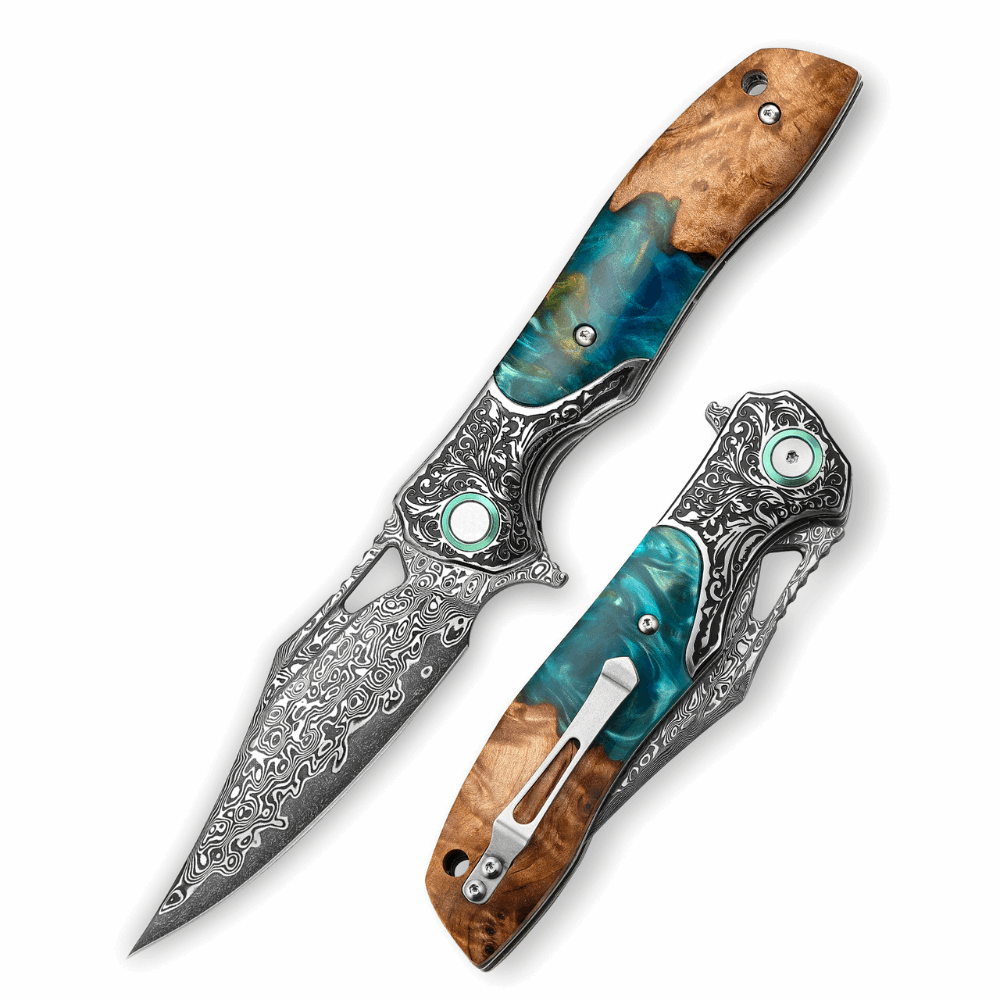
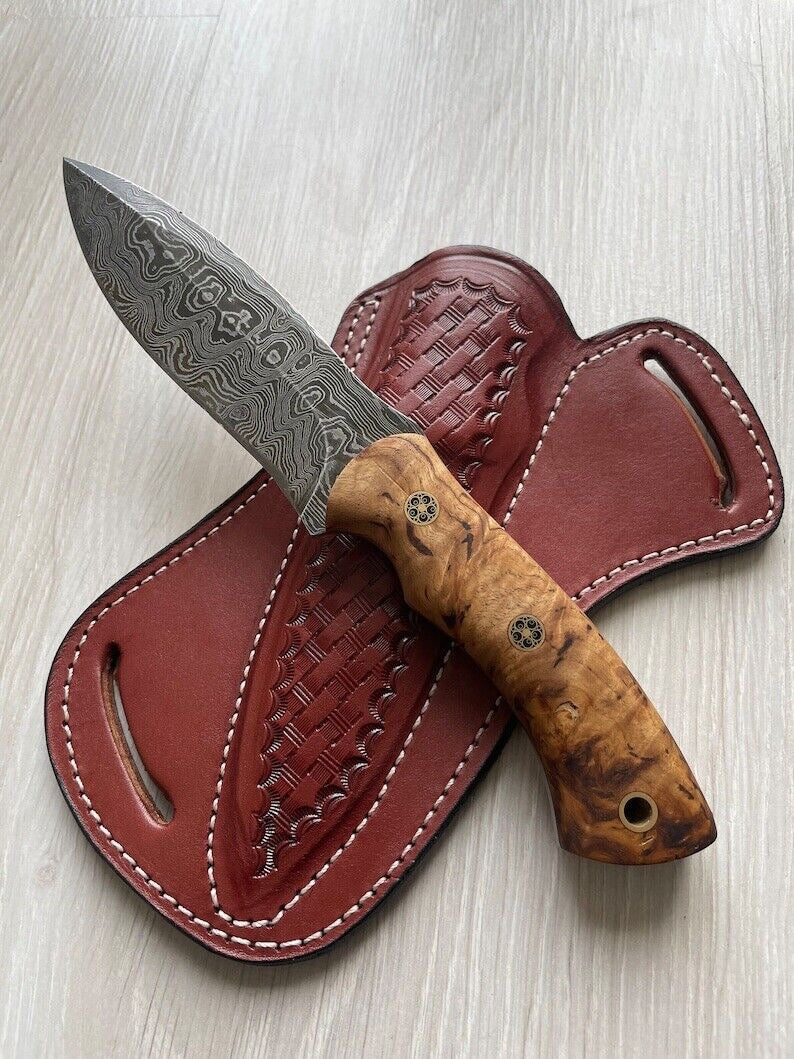
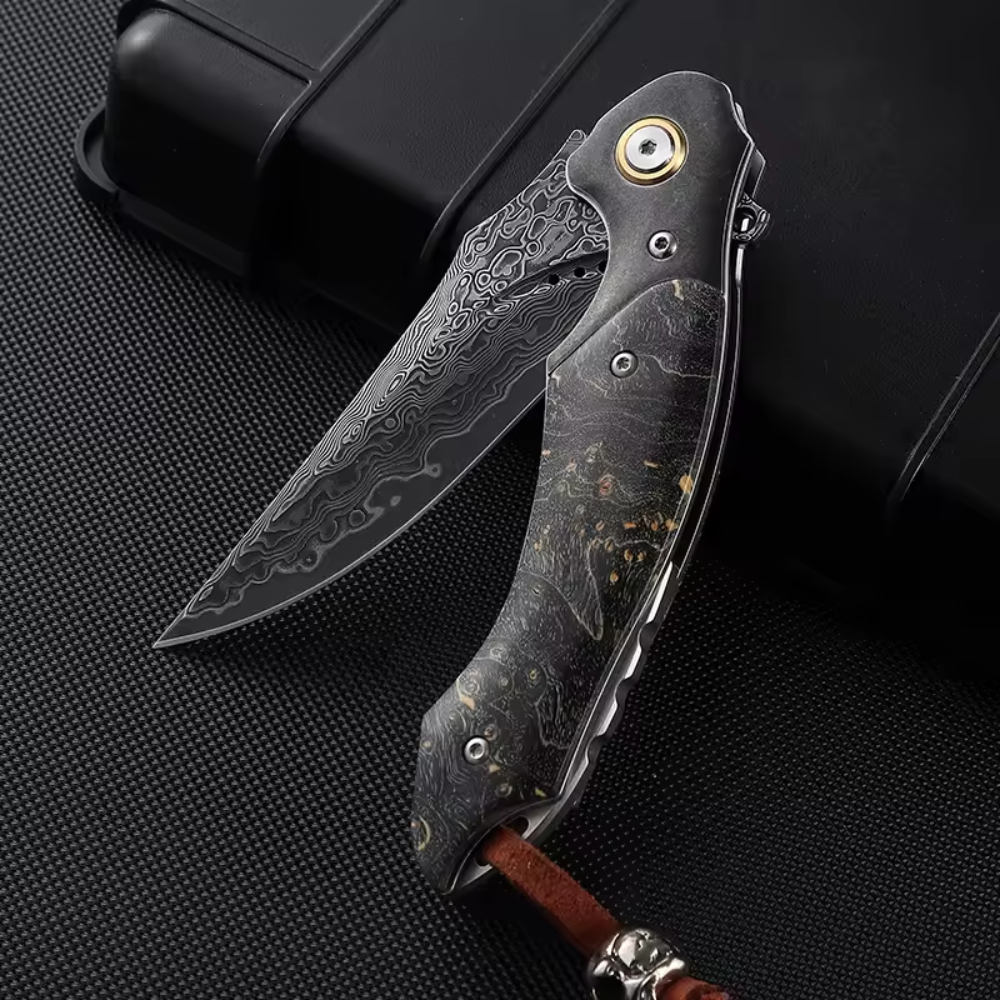
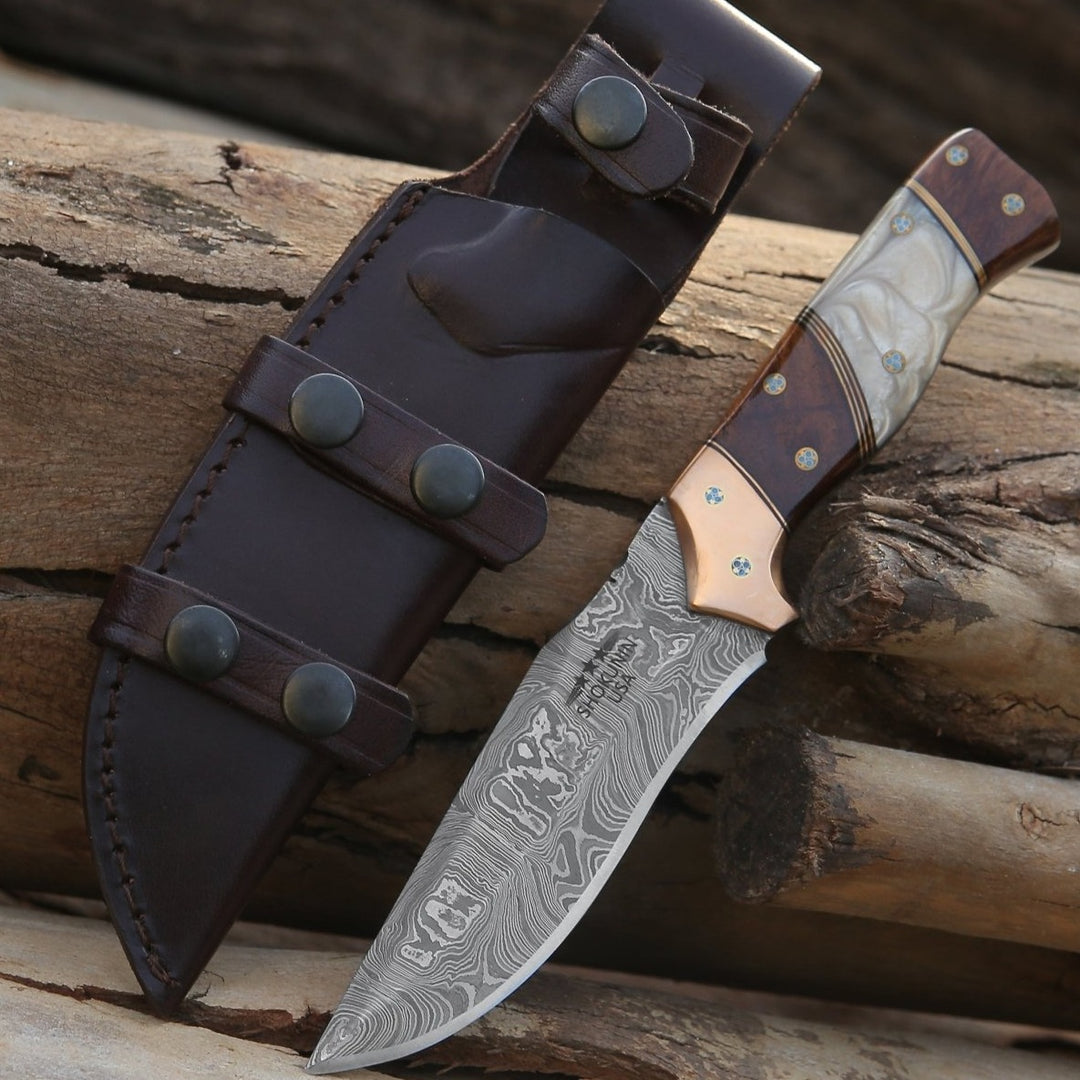
- Craftsmanship: Many modern pocket knives showcase incredible design and craftsmanship, similar to historical designs.
- Historical Connection: Owning a pocket knife connects you to legendary figures who valued functionality and innovation.
- Aesthetic Appeal: Pocket knives can be beautiful pieces of craftsmanship that serve as conversation starters.
Enhance Your Collection: A Pocket Knife For Every Need
If you're looking to enhance your collection or select that perfect first pocket knife, consider your needs and lifestyle. Pocket knives come in various styles and designs tailored for various uses, whether for outdoor activities, daily tools, or collectibles. The right knife can make a difference in your adventures.
Choosing the Right Pocket Knife
When selecting your pocket knife, take note of the following considerations:
- Purpose: Will you primarily use it for outdoor adventures or daily tasks? Knowing the purpose will guide your choice.
- Size and Weight: Ensure it fits comfortably in your pocket or bag and is not cumbersome to carry.
- Blade Material: Different materials impact durability, sharpness, and ease of maintenance.
- Handle Design: Comfort and usability are essential, so select a handle design that feels right in your grip.
The Lasting Impact of Pocket Knives
As we've seen throughout history, pocket knives have played a pivotal role in the lives of many remarkable individuals. They have been tools of innovation, survival, and artistry, leaving a legacy that continues today. From presidents to pioneers, the story of pocket knives reminds us of the blend of practicality and ingenuity that characterizes human progress.
Now, as you consider adding a pocket knife to your own life, think about the historical figures who have come before you. Each cut and every fold is a reminder of their adventures and the impact these small tools have had on society. The legacy of pocket knives is one of resilience, craftsmanship, and timeless utility. It’s not just a tool—it’s a connection to a rich and storied history that continues to unfold.







Leave a comment